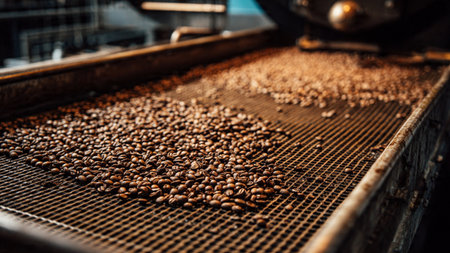
Introduction to Coffee Imports in the UK
As a nation, we Brits have truly fallen head over heels for our daily cup of coffee. From a quick flat white on the school run to sharing a warming cafetière with friends, coffee has woven itself into the very fabric of British life. But have you ever wondered about the remarkable journey those little beans take before they reach our mugs? Understanding where our coffee comes from – and more importantly, how it gets here – is not just a matter of curiosity; it’s an essential part of being a conscious consumer in today’s world. Every cup we pour holds a story that stretches across continents, and transportation plays a surprisingly big role in shaping the carbon footprint of each delicious brew. As mums and families become ever more mindful of our environmental impact, it’s time we looked beyond just fair trade labels and roast types, and started asking: how does our coffee actually arrive in Britain, and what does that mean for our planet? Let’s embark on this warm and eye-opening journey together, because every household deserves to know how those comforting moments over coffee can help shape a greener future for our children.
2. Understanding Carbon Footprint: What Does it Mean?
As mums, we often think about how our daily choices affect our families, but have you ever wondered how your morning cup of coffee might be impacting the environment? In simple terms, a “carbon footprint” is the total amount of greenhouse gases—like carbon dioxide—that are released into the atmosphere because of our actions. This includes everything from the food we eat to the way we travel and even the products we buy from the shops.
When it comes to coffee, especially here in the UK where we love a good brew, its not just about what happens in our kitchen. The journey coffee takes from distant farms to our mugs involves several steps, each adding its own share to the overall carbon footprint. Think about growing the beans, packaging them up, transporting them across oceans and roads, roasting them, and finally delivering them to our local cafés or supermarkets. Every stage uses energy and resources, contributing to those invisible emissions that warm our planet.
To help put things in perspective, heres a simple table showing some everyday activities and their estimated carbon footprints compared to importing coffee:
| Activity | Estimated Carbon Emissions (kg CO2e) |
|---|---|
| Boiling a kettle for tea/coffee (per boil) | 0.05 |
| Driving 10 miles in an average petrol car | 2.4 |
| Importing 1kg of green coffee beans (sea freight) | ~0.3 |
| Importing 1kg of green coffee beans (air freight) | ~6.5 |
This table highlights how transportation methods can make a massive difference. Most UK coffee comes by ship—which is less polluting than flying—but even so, all those journeys add up! So next time you sip your favourite flat white or make a cuppa for your loved ones, remember: small choices really do matter when it comes to caring for our planet and future generations.
Transportation Routes and Their Environmental Impact
When we think about our daily cup of coffee, it’s easy to forget just how far those precious beans have travelled before reaching our mugs. In the UK, the journey of coffee is a globe-trotting adventure, with transportation playing a huge part in its overall carbon footprint. Let’s have a look at the main ways coffee gets to our shores—by sea, air, and land—and see how each route impacts the environment differently.
Sea Freight: The Most Common Journey
Most of the coffee imported into the UK arrives by ship. Sea freight is generally seen as the most environmentally friendly large-scale option, especially compared to air transport. Ships can carry vast quantities of coffee beans in one go, which helps spread out emissions over thousands of kilos. However, shipping isn’t entirely green; older vessels often burn heavy fuel oil, producing carbon dioxide and other pollutants. Newer ships are becoming more efficient and cleaner, but there’s still room for improvement if we want to make our morning brew as sustainable as possible.
Air Freight: Speedy but Costly for the Planet
Sometimes, when there’s high demand or a need for fresher beans (think specialty coffees), coffee is flown into the UK by plane. This method is much faster but comes with a hefty environmental price tag. Air freight emits significantly more greenhouse gases per kilo than sea or land transport. It’s rather like popping out in your car for a pint of milk instead of walking—the convenience is there, but so are the emissions! As mums who care about our children’s future, it’s worth noting that every little choice adds up when it comes to climate impact.
Land Transport: The Final Miles
After landing at UK ports like Felixstowe or Southampton, coffee beans are loaded onto lorries and transported across the country to roasters and shops. While this leg is much shorter than the overseas journey, road freight still contributes to emissions—especially if older diesel trucks are involved. Thankfully, there are growing efforts to shift towards electric or lower-emission vehicles for these final miles. It might seem like a small step, but every little change helps reduce our collective carbon footprint.
Towards Greener Deliveries
Understanding how our coffee travels makes us appreciate not only its taste but also the invisible journey behind each cup. By supporting brands and initiatives that favour greener transport options and efficient logistics, we can all play a part in making coffee imports kinder to our planet—and set a good example for our little ones along the way!
4. The British Perspective: Unique Challenges and Choices
When it comes to the UK’s love affair with coffee, the journey from bean to cup is not as simple as it may seem. British coffee imports face distinct transportation routes, port infrastructure, and logistical hurdles that set them apart from other European countries. This, in turn, plays a critical role in shaping the carbon footprint associated with every steaming mug enjoyed across the country.
Key Transportation Routes for UK Coffee Imports
Coffee beans destined for Britain generally arrive from producing nations like Brazil, Colombia, Ethiopia, and Vietnam. Unlike continental Europe—where overland transport can supplement sea freight—the UK relies almost exclusively on shipping due to its island geography. Major ports such as Felixstowe, Southampton, and London Gateway are the primary entry points for these imports.
| Port | Main Function | Associated Challenges |
|---|---|---|
| Felixstowe | Largest container port for coffee imports | Congestion, weather-related delays |
| Southampton | Secondary entry for specialty beans | Capacity limits, road bottlenecks to inland roasters |
| London Gateway | Growing hub for modern logistics and storage | Lack of direct rail links to all regions |
Bespoke British Logistical Hurdles
The unique nature of Britain’s supply chain means most coffee must be transported by lorry from ports to regional roasting facilities and then distributed to cafes or supermarkets. This reliance on road freight increases emissions compared to some mainland European countries where rail options are more robust.
Logistics Bottlenecks Impacting Carbon Footprint:
- Port Congestion: Delays at key container ports lead to idling ships and trucks, boosting emissions.
- Lorry Dependency: Limited rail connections result in thousands of heavy goods vehicles criss-crossing the country daily.
- Urban Delivery Challenges: Narrow city streets and limited unloading zones in historic towns can require multiple small delivery runs instead of efficient bulk shipments.
- Weather Sensitivity: The UK’s notorious weather can disrupt both shipping schedules and inland transport, causing further inefficiencies.
A Mother’s Take on Everyday Choices
As a mum who loves her morning brew, I often think about how my choices ripple out into the world. Understanding these uniquely British logistical challenges makes me more mindful—perhaps choosing brands that invest in greener transportation or support local roasters can help reduce our collective carbon footprint. Every little choice counts when it comes to building a more sustainable coffee culture here in the UK!
5. Local Solutions and Sustainable Alternatives
As a mum who loves her morning cuppa, I know how important it is to make choices that are kinder to our planet. Here in the UK, we’re lucky to have some truly inspiring coffee brands and roasters right on our doorstep, working hard to shrink their carbon footprint—especially when it comes to transportation. Let me share a few heartening stories and practical tips that can help your family support these green-minded businesses while still enjoying delicious coffee at home.
Choosing British Roasters with a Green Mission
There’s been a wonderful rise in local coffee roasters across the UK who are committed to sustainability. Some are switching from traditional shipping routes to lower-emission transport, like rail or even sailing ships, for importing their green beans. For example, a handful of roasters in Bristol and London now partner with wind-powered cargo companies, slashing the carbon impact of every batch they roast. It warms my heart to see these businesses leading by example—and it’s something we can support with our wallets.
Spotting Eco-Friendly Brands
When you’re shopping, keep an eye out for labels that mention “carbon neutral shipping,” “direct trade,” or “imported by sail.” These often signal a commitment to greener logistics. Some coffee subscriptions even highlight their low-carbon delivery methods! If you’re ever unsure, don’t be shy—send them a quick email or message on social media to ask about their transport choices. Many smaller UK brands are proud to share the steps they take toward sustainability.
Practical Tips for Greener Coffee Choices
It doesn’t need to be complicated! Try exploring your local farmers’ market or independent shops for regional roasters who prioritise eco-friendly transport. Supporting these businesses not only helps the environment but also strengthens our local communities. And if you fancy an adventure, why not visit a nearby roastery as a family outing? Many offer tours where you can learn more about their sourcing and shipping practices—plus, there’s usually a chance to sample fresh brews together!
Sharing Stories and Inspiring Change
I’ve found that chatting with friends and other mums over coffee is a great way to spread the word about sustainable options. Sharing which brands go the extra mile with greener transport encourages others to make mindful choices too. Remember, every little step counts—even simply swapping one bag of beans for a more planet-friendly option adds up over time.
Together, by supporting UK brands who put thought into how they ship their coffee, we can enjoy our favourite drink and leave a lighter footprint for our children’s future. Now, that’s something worth raising your mug to!
6. Working Together for a Greener Brew
As we’ve seen, the journey of our daily cup of coffee from distant farms to our kitchen tables leaves a considerable carbon footprint, particularly through transportation. But as a mum who cares deeply about the world our children will inherit, I truly believe that every small step matters—and together, we can make a difference. Our communities, families, and local businesses across the UK all have a unique role to play in brewing up positive change.
Choosing Responsibly Sourced Coffee
Start by looking for coffee brands that are committed to reducing their environmental impact. Opting for those that prioritise sustainable shipping methods or source beans closer to home can help shrink the carbon footprint of your morning brew. It’s a simple switch, but when done collectively, it sends a powerful message to importers and retailers alike.
Supporting Local Cafés and Roasteries
Let’s not underestimate the power of supporting our local independent cafés and roasters—many of whom champion ethical sourcing and low-impact logistics. By choosing local, you’re encouraging shorter supply chains and more transparent practices, which benefits both people and planet. Plus, it’s always lovely to enjoy a natter with neighbours over a fresh cuppa in your high street café!
Teaching Future Generations
As parents, it’s so important to involve our little ones in conversations about sustainability. Explain where their hot chocolate or babyccino comes from, and why making careful choices matters. Simple actions like reusing cups or opting for plastic-free packaging can become lifelong habits that ripple outwards.
A Call to Action: Every Cuppa Counts
None of us can solve climate change alone—but by coming together as families, communities, and businesses here in the UK, we can tip the scales towards a more sustainable future. Next time you pop the kettle on or treat yourself to a flat white, remember that each mindful choice adds up. Let’s raise our mugs to greener mornings—one cuppa at a time—for ourselves, our children, and generations yet to come.