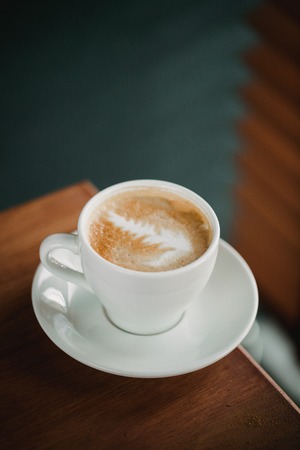
1. Origins of Decaf: Early Experiments and Continental Influences
Decaffeinated coffee, now a familiar sight in high street coffee shops across the UK, began its journey far from British shores. The story starts in late 19th-century Germany, where Ludwig Roselius, a coffee merchant troubled by his father’s death (which he attributed to excessive caffeine consumption), pioneered one of the earliest methods for removing caffeine from coffee beans. This continental curiosity soon spread through Europe, with French and Swiss chemists refining the process. In these early years, decaf was largely seen as a scientific novelty—an answer to both health concerns and an era’s appetite for innovation.
When decaffeinated coffee first made its way to Britain in the early 20th century, it arrived as a rather peculiar import. The British public, whose relationship with coffee was complex and often overshadowed by tea-drinking traditions, regarded decaf with some scepticism. Many questioned whether coffee stripped of its “kick” could still be called coffee at all. Early adopters were typically those with medical concerns or an interest in the latest European trends—decaf was seen less as a beverage in its own right and more as an intriguing oddity, discussed in scientific circles and among health-conscious elites.
Despite initial resistance, the arrival of decaf marked the beginning of a slow but steady shift in perceptions around coffee drinking in the UK. It challenged long-held assumptions about what coffee ought to be and prompted new conversations about health, pleasure, and modern living—a theme that would continue to shape British attitudes toward decaf for decades to come.
2. British Attitudes Towards Coffee and Caffeine
Historically, the United Kingdom has been famously defined by its love affair with tea rather than coffee. For centuries, tea drinking was woven into the fabric of daily life, from afternoon teas in genteel drawing rooms to builders’ brews on building sites. Coffee, in contrast, maintained a more peripheral status for much of British history, often viewed as a cosmopolitan or even slightly exotic alternative.
The roots of this preference can be traced back to the 18th century when the importation of tea became widespread and affordable, eclipsing coffee houses that had once thrived as centres for political discussion and commerce. The national palate leaned towards the comfort and ritual of a cuppa, reinforced by cultural touchstones like the “tea break” at work and the iconic “put the kettle on” response to any crisis or celebration.
Attitudes toward caffeine itself have long played a role in shaping British consumption habits. While both tea and coffee contain caffeine, tea was often perceived as gentler—less likely to cause jitters or sleeplessness. Public health narratives from the late Victorian period onwards frequently debated the moral and medical implications of stimulant use, with some temperance advocates even lumping tea and coffee together as potentially harmful indulgences.
As knowledge about caffeine’s effects grew during the 20th century, so too did public awareness of its potential drawbacks—especially among those sensitive to its stimulating properties or concerned about sleep and anxiety. This paved the way for decaffeinated options to enter the market, though their early reputation was mixed: some saw decaf as a sensible choice for health, while others dismissed it as an inferior imitation.
The Shifting Landscape: Tea vs. Coffee Consumption Over Time
| Decade | Tea Popularity | Coffee Popularity | Public Attitude to Decaf |
|---|---|---|---|
| 1950s | High | Low | Minimal curiosity; seen as unnecessary |
| 1970s | High | Rising (instant coffee surge) | Niche interest; associated with health trends |
| 1990s | Moderate (declining) | High (coffee shops emerging) | Growing acceptance; linked to lifestyle choices |
| 2020s | Stable (cultural staple) | Very High (artisan & chain cafés) | Mainstream option; widely available in shops and cafés |
This historical context helps explain why decaf took longer to gain traction in Britain than in some other countries. As attitudes toward caffeine evolved—shaped by concerns over wellbeing, changing lifestyles, and broader access to information—decaf gradually shifted from being a niche curiosity to an accepted part of the UK’s café culture.

3. Decaf on the High Street: Arrival and Hesitation
The arrival of decaf coffee on British high streets marked a significant turning point in the nation’s evolving relationship with coffee. During the late twentieth century, as Italian-style espresso bars and American-inspired coffee chains began to appear, decaffeinated options slowly found their way onto menus. Initially, these offerings were met with a fair share of scepticism, both from café owners and their customers.
For many British consumers, the notion of coffee without caffeine seemed almost nonsensical—a contradiction in terms. Coffee was traditionally valued for its stimulating effects, especially during the morning rush or after a long day’s work. Early adopters of decaf often faced puzzled looks from friends and baristas alike, with some establishments offering instant decaf sachets as an afterthought rather than investing in quality beans or proper brewing methods.
Pubs and traditional greasy spoons were particularly slow to embrace decaf, viewing it as a niche product for those with medical conditions or fussy tastes. Even among the growing number of independent cafés and chain coffee shops in city centres, there was a palpable hesitation to promote decaf alongside standard brews. Staff training rarely covered how to prepare it well, resulting in inconsistent quality and reinforcing negative perceptions about its flavour and authenticity.
Nevertheless, consumer demand—driven by health concerns, changing lifestyles, and international travel—began to shift the landscape. Businesses started to recognise that offering a decent decaf could attract a wider customer base, from expectant mothers to late-night socialisers who wanted the taste of coffee without the jitters. Gradually, high street shops updated their signage and menus to include decaf as a legitimate choice rather than an afterthought.
This period of tentative adoption laid the groundwork for the mainstream acceptance that would follow in subsequent decades. By responding to initial resistance with incremental improvements in sourcing and preparation, UK cafés played a crucial role in moving decaf from fringe curiosity to everyday staple.
4. Health, Wellness, and the Changing Narrative
By the late 20th century, attitudes in the UK toward coffee—and particularly decaf—began to shift dramatically. Where once coffee was a functional pick-me-up or social indulgence, growing public awareness around health and wellness started to reframe the national conversation. Medical studies highlighting the potential downsides of excessive caffeine intake dovetailed with an increased cultural focus on sleep hygiene, stress management, and holistic wellbeing. Suddenly, choosing decaf was no longer just for those with medical restrictions; it became a proactive lifestyle choice for many Britons keen to balance their enjoyment of coffee with healthier living.
Changing Perceptions: From Stigma to Acceptance
In decades past, decaf drinkers were sometimes viewed with mild suspicion or gentle ribbing—wasn’t “proper” coffee meant to give you a buzz? However, as more information emerged about caffeine’s effects—ranging from disrupted sleep patterns to heightened anxiety—the narrative began to change. Decaf transitioned from being a compromise or afterthought to an option that aligned perfectly with evolving British values around self-care and moderation.
The Rise of the Wellness Movement
The broader wellness movement played a crucial role here. As yoga studios popped up across high streets and supermarkets expanded their health food ranges, coffee shops adapted too. Decaf options multiplied on menus, and staff were trained to make them without judgement or fuss. The idea of “going for a coffee” no longer automatically implied caffeine; instead, it became an opportunity for mindful socialising or relaxation at any time of day.
Key Drivers Behind Decaf’s Growth in the UK
| Factor | Description |
|---|---|
| Health Concerns | Rising awareness of links between caffeine and issues like insomnia, hypertension, and anxiety prompted many to switch to decaf. |
| Sleep Quality | As conversations about sleep became more mainstream, avoiding caffeine—especially later in the day—was increasingly recommended by health experts. |
| Lifestyle Choices | The popularity of holistic wellness inspired consumers to make conscious choices about their diet and daily habits—including coffee consumption. |
| Cultural Acceptance | The stigma around drinking decaf faded as it became associated with self-care rather than deprivation. |
A Staple in Modern British Coffee Culture
Today, decaf is firmly embedded in the UK’s coffee culture. Whether you’re grabbing a takeaway flat white from Pret or enjoying a leisurely cafetière at home, asking for decaf is entirely unremarkable—and often celebrated as a thoughtful act of self-kindness. The changing narrative around health and wellness has helped transform decaf from a marginal curiosity into a respected staple that caters to the diverse needs of modern Britons.
5. Craft, Quality, and the British Coffee Revolution
As the UK embraced the third wave coffee movement, decaf underwent a transformation that paralleled the broader changes sweeping through the nation’s cafés. No longer was decaf relegated to an afterthought on the menu or produced solely with convenience in mind. Instead, discerning British coffee drinkers began to expect—and demand—decaffeinated coffees that were crafted with the same care and attention as their caffeinated counterparts.
The rise of artisanal coffee shops across London, Edinburgh, Manchester and beyond signalled a shift in priorities: flavour became paramount, provenance was celebrated, and preparation turned into an art form. Roasters started sourcing high-quality beans specifically for decaf production, often highlighting single-origin batches or unique processing methods like Swiss Water or CO2 extraction. For many UK consumers, knowing where their coffee came from—and how it was decaffeinated—became as important as the tasting notes in the cup.
This new attitude towards decaf found fertile ground among health-conscious Brits and those who simply loved coffee but wanted to moderate their caffeine intake. The best independent cafés took pride in offering decaf espresso blends and filter options that could stand shoulder to shoulder with their fully leaded siblings. Baristas trained rigorously to pull perfect decaf shots, ensuring no compromise on crema or complexity.
The effect was transformative: perceptions shifted from viewing decaf as a bland necessity to appreciating it as a thoughtful choice. The commitment to quality and craft has meant that today’s British coffee scene sees decaf not just as a suitable alternative but as a legitimate part of its rich and evolving culture—a testament to how far both coffee and consumer expectations have come in the UK.
6. Decaf Today: A Staple in Every Coffee Shop
Decaf coffee has travelled a remarkable journey across the UK, evolving from an obscure alternative to a ubiquitous option found in every reputable coffee shop. Where once decaf was something of a curiosity—offered only begrudgingly and often with a hint of scepticism—it is now an integral part of the British coffee landscape. This shift mirrors not only changing tastes but also a broader cultural embrace of choice and inclusivity in daily rituals.
The transformation reflects more than just advances in decaffeination technology or increasing awareness of caffeine sensitivity. It speaks to how British consumers have come to expect quality and variety, regardless of their dietary needs or preferences. Today, ordering a decaf flat white or Americano is as unremarkable as asking for oat milk or a vegan snack—proof that decaf has truly arrived as a standard offering.
Modern British coffee culture thrives on adaptability and respect for individual taste. The stigma once attached to drinking decaf has faded, replaced by an understanding that enjoying coffee need not always be about the buzz. Whether for health reasons, pregnancy, or simply a preference for a gentler cup, decaf now sits proudly alongside its caffeinated counterparts.
Looking ahead, it’s clear that decaf’s place is secure. With ongoing improvements in flavour extraction and sustainability practices, the future promises even better options for those who want all the taste without the jitters. As British coffee shops continue to innovate and cater to diverse communities, decaf will remain not just an afterthought but a celebrated part of everyday coffee culture.