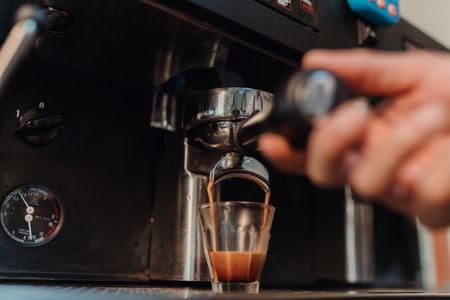
The British Cuppa: A Tradition Meets Change
If you stroll down any high street in Britain, you’ll find that the humble cuppa—be it tea or coffee—remains at the heart of daily rituals. For centuries, tea reigned supreme, poured from battered teapots in terraced kitchens or served on dainty china in grand drawing rooms. The “cuppa” became shorthand for comfort, community, and a uniquely British way of pressing pause on the day. Yet, quietly and without much fanfare, coffee began to seep into this tradition. It arrived with a whiff of continent chic, a hint of intellectualism, and the promise of something different. Initially, coffee houses were the haunt of poets and political thinkers, their air thick with debate and tobacco smoke. But before machinery hummed its way into our mornings, brewing was an art of patience—whether coaxing flavour from ground beans or steeping loose-leaf tea. It was only later, when technology tiptoed in through the back door, that Britain’s brewing habits would be forever transformed. Here begins the tale of how machines would soon stir up more than just a storm in a teacup.
2. From Cafetière to Coffee Machine: The Evolving Brew
If you stroll down any British high street today, the hiss and whirr of coffee machines are as much a part of the city’s morning rhythm as the buses and black cabs. Yet, Britain’s love affair with coffee has always been entwined with its gadgets—each new contraption promising a more perfect cup, a more convenient ritual. Let’s chart this journey from the humble French press to the sleek bean-to-cup marvels that define both home kitchens and bustling cafés.
The Classic Era: French Presses and Percolators
Once upon a time, the cafetière—known in continental circles as the French press—was the pride of many British households. Its glass-and-metal form promised a robust, unfiltered brew, ideal for leisurely weekend mornings or late-night conversations. Side by side, stovetop percolators bubbled away in kitchens across the country, their familiar gurgle signalling comfort and routine.
| Device | Era | Main Appeal |
|---|---|---|
| French Press (Cafetière) | 1950s–Present | Simplicity, full-bodied flavour |
| Stovetop Percolator | 1940s–1980s | Rich aroma, strong brew |
The Espresso Invasion: High Street Revolution
The 1990s saw espresso machines become the new must-have for cafés, ushering in an era where baristas reigned supreme and latte art became an Instagram staple. High street chains adopted Italian-style pressure brewing en masse, making words like “flat white” and “macchiato” part of everyday British vernacular. Suddenly, coffee wasn’t just a drink—it was theatre.
The Home Brewing Renaissance
No longer content with instant granules or basic plungers, British homes embraced pod-based systems and fully automatic bean-to-cup machines. These gadgets combined convenience with café-level quality at the touch of a button—a quiet revolution behind closed doors.
| Innovation | Years Popularised | Impact on British Coffee Culture |
|---|---|---|
| Espresso Machine (Commercial) | 1990s–Present | Café boom; rise of specialty drinks |
| Pod/Capsule Machines | 2010s–Present | Easy home brewing; consistency |
| Bean-to-Cup Machines | Late 2010s–Present | Bespoke brews at home; artisanal trend |
A Modern Mosaic of Taste and Technology
This technological evolution hasn’t just changed what we drink—it’s reshaped how we gather and connect in Britain’s urban spaces. Whether you’re sipping a hand-poured filter in a Shoreditch café or cradling a perfectly frothed cappuccino from your kitchen machine in Glasgow, each cup is a small chapter in this ongoing story of invention, taste, and togetherness.
3. Espresso Culture: How the Espresso Machine Percolated into UK Life
If you wander down any bustling British high street today, it’s hard to imagine a time before the hiss and hum of an espresso machine became the background music of urban life. Yet, it wasn’t so long ago that Britain was a land of tea rooms and filter coffee, with espresso culture little more than a continental curiosity. The transformation began in earnest post-war, as Italian immigrants brought both their machines and their rituals across the Channel, setting up cafés from Soho to Glasgow. These early pioneers introduced not just a new method of brewing but a whole new way to experience coffee—swift, intense, and accompanied by a sense of theatre.
The arrival of the espresso machine signalled more than just a technological upgrade; it marked a cultural shift. Suddenly, coffee wasn’t just about convenience or comfort—it became an event. Sleek chrome machines stood proudly on counters, steam curling above ceramic cups, drawing in curious passers-by with the promise of something distinctly European. In these spaces, lattes and cappuccinos found their British audience, the former often sweetened and creamy, the latter crowned with thick foam art. And then there’s the flat white—adopted from Antipodean trends but perfected in London’s indie cafés—a testament to Britain’s willingness to embrace and remix global influences.
Espresso technology didn’t simply change how Britons brewed coffee; it changed where and why they drank it. The café became a meeting place for students poring over poetry, artists sketching cityscapes through rain-streaked windows, or friends catching up after work under warm pendant lights. The machinery itself became part of the urban aesthetic—a symbol of cosmopolitan life, pulsing at the heart of every neighbourhood café. In this way, espresso machines helped percolate not just strong coffee but also vibrant communities throughout Britain’s cities.
4. Barista Meets Bot: Automation’s Impact on Craft and Community
As Britain’s coffee culture blossoms, the hum of automated coffee machines has become as familiar as the chatter over oat flat whites. Once, the artistry of a skilled barista was the main draw for city dwellers seeking their daily caffeine fix. Now, sleek robots and self-service stations are reshaping what it means to enjoy a cup in London, Manchester, or Glasgow. The question echoes through exposed-brick coffeehouses: Can the convenience of automation ever replace the intimacy of human craft?
From Human Hands to Digital Dials
The rise of automated coffee machines—think touchscreens, pre-set recipes, and lightning-fast espresso shots—has redefined how British cafes serve their customers. Cafés once known for their artisan approach now balance between efficiency and maintaining their signature charm. Take the classic “cuppa” experience: where once you’d chat with a barista about your day, today you might interact with a digital display offering dozens of customisation options.
Balancing Craft with Convenience
| Aspect | Traditional Barista | Automated Machine |
|---|---|---|
| Speed | Moderate | Fast |
| Personal Touch | High – friendly banter, local knowledge | Low – efficient but impersonal |
| Consistency | Varies by skill and mood | Highly consistent output |
| Customisation | Bespoke, creative adjustments possible | Menu-driven, limited flexibility |
The Community Question
Coffeehouses in Britain have always been more than just places to grab a quick drink—they’re hubs of conversation, debate, and connection. As automation becomes more prevalent, some worry about losing that sense of community. Yet others see opportunity: machines free up staff to focus on hospitality, table service, or even hosting poetry nights and local events. In many ways, the best British cafés are finding harmony—using technology to streamline service while doubling down on atmosphere and neighbourhood spirit.
5. Sustainability and Local Flavour: Tech for a Greener Brew
As Britain’s coffee culture matures, the marriage of technology and sustainability has become central to the daily ritual of brewing. The British penchant for innovation now extends well beyond the steam engine—winding its way into eco-conscious machinery and digital solutions that aim to make every cup a little kinder to the planet. From energy-efficient espresso machines in Shoreditch cafés to smart roasters in Manchester’s converted mills, emerging tech is quietly greening the nation’s morning pick-me-up.
At the heart of this shift are British innovators reimagining what it means to brew responsibly. Advanced roasting machines, many developed by local engineers, use precise temperature controls and waste-reducing mechanisms to minimise energy consumption and carbon emissions. These clever contraptions not only bring out nuanced flavours in single-origin beans but also support independent UK roasteries, giving them a fighting chance against global giants—whilst keeping profits close to home.
The movement doesn’t stop at hardware. Digital platforms now connect small-scale British farmers and ethical importers directly with neighbourhood cafés, ensuring transparency from bean to cup. Apps and IoT-enabled brewers help baristas track water usage and optimise grind settings, all in the name of reducing waste without sacrificing flavour—a delicate balance much appreciated by both eco-minded Londoners and old-school Yorkshire tea converts dabbling in flat whites.
Even packaging has seen a technological facelift. Biodegradable pods, reusable cups tracked via QR codes, and compostable packaging are popping up everywhere from Bristol’s indie coffee carts to Glasgow’s bustling markets. These innovations signal a new era where sustainability isn’t an afterthought but an integral part of British coffee identity—a local flavour as essential as oat milk or a cheeky Hobnob on the side.
Ultimately, technology is helping Britain brew with conscience, marrying tradition with progress. Each cup poured from a solar-powered machine or crafted by an AI-assisted barista tells a story—not just of beans and crema but of communities striving for greener streets and tastier mornings.
6. What’s Next? The Digital Age of Coffee
If the hiss of the espresso machine was once the heartbeat of Britain’s coffee revolution, today it’s the gentle buzz of digital notifications and the glow of smartphone screens that signal a new era. As technology weaves itself ever more tightly into our daily rituals, British coffee culture stands poised at the edge of its next great leap—one defined by apps, smart kitchens, and tech-forward cafés.
The Rise of Coffee Apps: From Bean to Brew
It’s no longer just about popping down to your local for a flat white; now, your phone can recommend indie roasters, track your caffeine intake, or even summon a bespoke blend to your door. Coffee subscription services and loyalty apps have made artisan beans accessible beyond Shoreditch or Glasgow’s West End. In true British fashion, convenience meets curiosity—apps like these let us discover single origins while still grumbling about train delays.
Smart Kitchens: Brewing at the Touch of a Button
In the home, kitchen gadgets have levelled up. Picture this: an AI-powered espresso maker that remembers your morning grumpiness and pours exactly what you need—no faffing required. Connected machines sync with your phone, adjusting grind size based on weather or your mood board (yes, really). Even kettle manufacturers are getting in on the act; after all, Brits do love a clever bit of kit in their kitchens.
Cafés Reimagined: The Tech-Forward Gathering Place
Coffee shops themselves are evolving beyond bricks and mortar. With touchless ordering and contactless payment now standard, some cafés are experimenting with virtual baristas, augmented reality menus, and even AI-generated playlists to match the vibe. Yet there’s still that distinctly British sense of place—a kind nod from behind the counter and the low hum of conversation under antique lights, all subtly enhanced by tech rather than replaced by it.
Britain’s Place on the World Stage
So where does Britain fit amidst this digital renaissance? Somewhere between tradition and innovation—balancing reverence for heritage with an appetite for newness. We’re not Silicon Valley-fast nor stuck in sepia nostalgia; instead, Britain’s coffee scene is quietly pioneering ways technology can deepen our connection to both cup and community. The next time you scan a QR code to order your oat milk cortado in Camden or let an app guide you to a hidden Leeds micro-roastery, remember: technology isn’t erasing our rituals—it’s making room for more stories in every sip.