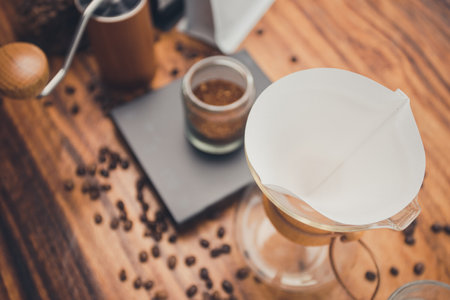
Understanding Your Brewer: Manual vs Electric
If you’re anything like me, the ritual of making a proper brew is just as important as the taste itself. Whether you’re partial to a sturdy morning builder’s tea or a delicate afternoon coffee, understanding your brewer is the first step to that perfect cup. In British homes, manual and electric brewers both have their loyal fans, and each comes with its own little quirks and charms.
Manual brewers—think cafetières, pour-overs, or even the trusty teapot—offer a hands-on experience that allows you to control every detail. There’s something quite soothing about taking those extra moments to measure your leaves or grounds, adjust the water temperature, and let it all steep at your own pace. It’s a bit like baking from scratch; yes, it takes more effort, but the end result feels that much more rewarding.
Electric brewers, on the other hand, are all about convenience and consistency. From electric kettles with precise temperature controls to modern coffee machines that do most of the hard work for you, these gadgets are perfect for busy mornings or when you’ve got friends popping round and need to whip up several cups in a flash. While some say you lose a touch of personal flair, there’s no denying how handy they are for our fast-paced lifestyles.
Ultimately, choosing between manual and electric depends on what you value most: do you enjoy the slow process and subtle tweaks of manual brewing, or do you prefer the quick comfort and reliability of electric appliances? Whichever you choose, knowing the strengths and limitations of each will help you get the very best out of your daily cuppa—and make every brew feel just right for home.
Choosing the Right Coffee and Grind
As any mum who loves a good cuppa will tell you, the secret to a perfect brew starts with picking the right coffee beans and grind size. Whether you’re using a manual press or an electric brewer, your choice of beans and how finely or coarsely they’re ground truly makes all the difference. Think of it as choosing the best ingredients for your favourite family recipe – only the finest will do! Here’s a simple guide to help you make sense of it all, so you can get the most out of every brew at home.
Understanding Your Brewing Method
Different brewers need different types of coffee and grind sizes. A French press works best with a coarse grind, while espresso machines need something much finer. It’s not just about taste; using the wrong grind can leave you with weak, bitter, or even sludgy coffee (and nobody wants that before the school run!).
Matching Beans and Grinds to Your Brewer
| Brewing Method | Recommended Grind Size | Type of Beans |
|---|---|---|
| French Press | Coarse | Medium to dark roast |
| Cafetiere | Coarse | Medium roast |
| Drip Filter Machine | Medium | Light to medium roast |
| Aeropress | Medium-fine | Your preference – experiment! |
| Espresso Machine | Fine | Dark roast for a classic flavour |
| Moka Pot/Stovetop Brewer | Fine-medium | Medium to dark roast |
| Cold Brew Jug | Extra coarse | Your favourite blend – lighter roasts work well! |
A Mum’s Tip: Freshness Matters!
If you want that café-quality cup at home, go for freshly roasted beans and grind them just before brewing. Most local shops across the UK offer a lovely selection of British-roasted beans – don’t be shy to ask for recommendations! And if you’re short on time (which mums often are), ask your local roaster to grind your beans to suit your brewing method.
The bottom line? Your brew is only as good as its ingredients, so treat yourself to quality beans and the right grind. You’ll taste the difference – and so will everyone else in your home!

3. Mastering the Art of Water Temperature and Ratio
Let’s be honest, mums know a good cuppa is all about balance—and that means getting your water temperature and brew ratio spot on! Whether you’re using a classic manual pour-over or a modern electric brewer, achieving that perfect British brew starts with the right water. Too hot, and you’ll scald those precious tea leaves or coffee grounds, leaving things bitter; too cool, and you miss out on the rich flavours we all love. For black tea, aim for freshly boiled water just off the boil (around 96°C), while green teas prefer something gentler—about 80°C does the trick. When it comes to coffee, most blends shine at 92–96°C. Now, let’s talk ratios: for a proper British cup of tea, use one teaspoon of loose leaves per person plus “one for the pot”—a little tradition that guarantees depth of flavour. If you’re brewing coffee, start with a golden ratio of 60g coffee to 1 litre of water for a medium strength that pleases everyone from your neighbour popping in to your partner after a long day. Don’t forget: filtered water makes all the difference, especially if you live in a hard-water area like much of the UK. With these simple tweaks, every brew can taste like home—cosy, comforting, and just how you like it.
4. Brewing Techniques for Home Comfort
As a mum who cherishes those quiet moments with a comforting cuppa, I’ve gathered some of my favourite step-by-step brewing techniques to ensure your coffee or tea is always spot on—whether you’re using a trusty manual brewer or the convenience of an electric machine. There’s something truly special about perfecting your own little ritual at home, so let’s dive into some homely tips that make all the difference.
Step-by-Step Guide: Manual Brewers
| Step | What To Do | Mums Top Tip |
|---|---|---|
| 1 | Boil fresh water and let it cool for 30 seconds (ideal temp: 92-96°C) | Use filtered water for a cleaner taste—it really does make a difference! |
| 2 | Add ground coffee or loose leaf tea to your brewer (French press, pour-over, etc.) | A heaped tablespoon per mug is usually just right, but don’t be afraid to adjust to taste. |
| 3 | Pour water gently in circles over the grounds or leaves | For coffee, do it slowly and steadily—no rushing! It helps extract all those lovely flavours. |
| 4 | Let it steep (coffee: 4 mins, tea: 3–5 mins depending on type) | I like to cover my brewer with a cosy tea towel—keeps the heat in beautifully. |
| 5 | Press or strain, then serve immediately | If you’re making extra, transfer to a pre-warmed flask to keep it piping hot. |
Step-by-Step Guide: Electric Brewers
| Step | What To Do | Mums Little Secret |
|---|---|---|
| 1 | Add fresh water to the reservoir (check the max line!) | A splash of filtered water helps if your tap water’s a bit hard—your kettle will thank you too. |
| 2 | Scoop coffee grounds or place tea bag/infuser in the designated holder | I always give the basket a quick rinse first; it keeps old flavours at bay. |
| 3 | Select your brew setting (strength and temperature) | If you like your brew strong, go for the ‘bold’ setting—but don’t overdo it, or it’ll taste bitter. |
| 4 | Start the machine and wait while it works its magic (usually 3–5 minutes) | This is when I tidy up the kitchen or pop out some biscuits—multi-tasking at its finest! |
| 5 | Serve straight away for best flavour and aroma | If there’s any left, store in a thermal jug rather than letting it sit on the hot plate—it keeps it fresher for longer. |
Loving Those Homely Touches
A few extra touches can turn an everyday brew into something truly special. Try warming your mugs with hot water before pouring, or adding a dash of milk after pouring (the British way!). And don’t forget: sharing a pot with family or neighbours is one of life’s simplest joys. There’s nothing quite like gathering round the table with loved ones and a perfectly brewed cup—just what every home needs.
5. Troubleshooting Common Brew Problems
We’ve all been there: the kettle’s on, the family’s gathered, and yet your brew just isn’t quite right. Don’t worry, love – even the best of us can end up with a weak cuppa or a bitter mouthful now and then. Here are some tried-and-true solutions to keep your coffee (and everyone around the kitchen table) happy and delicious every time.
Too Weak? Perk Up Your Pot
If your morning coffee tastes more like dishwater than a robust pick-me-up, it might be down to under-extraction or not enough grounds. Check that you’re using the recommended ratio for your manual or electric brewer – generally, one heaped tablespoon per cup is a good starting point. If you’re using an electric machine, give it a little clean; sometimes limescale or old grounds can affect flavour. For manual methods, make sure your water’s hot enough but not boiling (around 92–96°C is spot-on). A quick stir before brewing can also help release those lovely flavours.
Bitter Brews: Time for a Tweak
If your coffee makes you wince with every sip, over-extraction could be to blame. This often happens if your grounds are too fine, you’ve brewed for too long, or used water that’s too hot. Try using slightly coarser grounds, shortening your brew time, or letting the water cool for a minute after boiling. With electric brewers, check if there’s an option to adjust brew strength – sometimes a simple setting switch is all it takes.
Sour Notes? Not in My House!
Sourness usually means under-extraction – perhaps the water wasn’t hot enough or the grounds were too coarse. Make sure your water temperature is right and give your coffee just a tad longer to brew. It’s all about finding that balance so every sip feels just right.
Keep It Clean for Consistent Results
Regular cleaning is a must, whether you’re devoted to your trusty cafetière or rely on an electric marvel. Old coffee oils and residue can build up and spoil even the fanciest beans. Give everything a good rinse after each use and run a deep clean with vinegar or specialist cleaner once a month for electric machines.
Don’t Forget the Water
The quality of your water matters more than you’d think! In the UK, our hard water can play havoc with taste and machine longevity. Use filtered or bottled water if possible, especially if you notice scaly build-up or off-flavours in your brew.
With these gentle tweaks and motherly tips in mind, you’ll soon have everyone round the table singing your praises for the perfect cup – no matter which method you prefer!
6. Cleaning, Care, and Keeping Your Brewer Tip-Top
If there’s one thing I’ve learnt as a mum who treasures her morning cuppa, it’s that looking after your coffee or tea brewer is just as important as choosing the right beans or leaves. Whether you’ve invested in a classic cafetière, a trusty kettle, or a snazzy electric coffee machine, regular cleaning and gentle care go a long way. After all, nothing beats waking up to a fresh-tasting brew that hasn’t been tainted by yesterday’s residue.
Why Cleaning Matters
It’s easy to forget, but those little bits of limescale and leftover grounds can build up quickly, especially with our hard British water. Not only can they affect the flavour of your drink – making your tea taste dull or your coffee bitter – but they can also reduce the life of your brewer. Think of it like looking after your favourite teapot: a bit of love keeps it pouring for years to come.
Daily Routines That Make a Difference
After each use, give your manual brewers (like French presses and pour-over cones) a quick rinse under warm water and let them air dry. For electric machines, empty out any old water and wipe down surfaces with a soft cloth. If you’re using a kettle, don’t forget to empty it after boiling; standing water can encourage scale.
A Weekly Deep Clean
Once a week, treat your equipment to a proper clean. For kettles and electric brewers, fill them with equal parts water and white vinegar, boil (or run a cycle), then rinse several times until the vinegar smell disappears. Manual brewers benefit from a mild washing-up liquid soak – just be sure to rinse thoroughly so no soap lingers behind! And don’t forget removable filters; these often hide stubborn stains and oils.
Keeping It Cosy
Just like we keep our homes tidy for comfort, keeping your brewer in top shape means every cup feels like a warm hug. Store your equipment somewhere dry and safe from knocks – especially glass items like cafetières. Check seals and gaskets on electric models now and again; replacing worn-out parts will save you money (and heartache) in the long run.
By weaving these simple habits into your routine, you’ll not only protect your investment but also ensure every morning brew is as delicious as the last. Remember: a happy brewer really does make for a happier home and an even tastier start to your day!