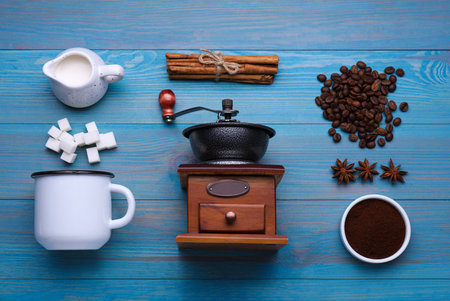
Introduction to British Coffee Culture at Home
Across the UK, the gentle hum of a coffee grinder and the comforting aroma of freshly brewed beans have become an integral part of daily life. Over recent years, there’s been a notable shift as more Britons bring café-quality experiences into their own kitchens. From bustling London flats to tranquil cottages in the Lake District, home coffee brewing has blossomed—fuelled by a desire for quality, convenience, and a touch of continental flair. This evolution is not just about taste; it’s deeply entwined with British culture and ritual. For many, the morning cup is as essential as the newspaper or the weather chat, while afternoon pick-me-ups have seamlessly woven themselves into traditional tea breaks. The choice of brewing equipment—be it a classic stovetop moka pot, a sleek bean-to-cup machine, or a beloved French press—is often influenced by personal preference, space, and even family tradition. As this trend grows, so too does the need to keep these prized gadgets in top shape, ensuring every cup lives up to Britain’s ever-rising standards for home comfort and style.
Common Coffee Gear Woes in British Households
If you’re a coffee aficionado in the UK, there’s every chance your morning ritual has been interrupted by an unexpected gear malfunction. From the beloved cafetière to advanced bean-to-cup machines and sturdy stovetop kettles, British homes are brimming with gadgets that promise café-quality brews. However, these trusty companions can fall foul to a number of typical issues. Below, we spotlight some classic malfunctions encountered across Britain, along with the culprits behind them.
Limescale: The Uninvited Guest
Limescale is notorious across the UK due to our hard water regions. It accumulates stealthily inside kettles and espresso machines, gradually choking water flow and spoiling flavour profiles. If your kettle takes longer to boil or your coffee machine dribbles instead of gushing, limescale is likely at fault.
Electrical Quirks and Power Faults
Given the unpredictability of the British weather (and sometimes our wiring), power surges or loose connections can cause machines to trip, refuse to start, or simply flicker their indicator lights in protest. This is particularly common in older properties where sockets might not have seen an upgrade since the Queen’s coronation.
Grinder Glitches
Whether you favour a manual burr grinder or an electric version, jammed blades or uneven grinds can spell disaster for your morning cup. Beans too oily? You might find residue build-up leads to clogged mechanisms and inconsistent results.
Typical Coffee Gear Malfunctions Table
| Appliance | Common Issue | Likely Cause |
|---|---|---|
| Kettle | Slow boiling, residue inside | Limescale build-up |
| Coffee Machine (Pod/Bean-to-Cup) | Poor water flow, error messages | Limescale, blocked filters |
| Manual Grinder | Tough grinding, uneven grounds | Oily bean residue, dull burrs |
| Electric Grinder | Noisy operation, jams | Foreign objects, overuse without cleaning |
A Final Word on Wear and Tear
It’s worth noting that even the sturdiest kit—whether from a renowned British high street brand or a cherished Italian import—will show its age over time. Gaskets perish, seals loosen and switches become temperamental with daily use. Recognising these familiar failings is half the battle in keeping your home coffee experience resolutely British and reliably delicious.

3. Diagnosing the Trouble: First Steps for Brit Baristas
Before you reach for your wallet or call in a professional, there’s plenty you can do at home to diagnose and even solve common coffee gear glitches. Most British homes are stocked with basic tools—think screwdrivers, a trusty torch (flashlight), and perhaps a multimeter if you’re feeling keen. Begin with the basics: observe what’s happening when your machine acts up. Is it refusing to power on? Are there odd noises or leaks? Maybe your cuppa is tasting off. For many issues, start by checking the plug and fuse—so often overlooked in the UK, where blown fuses are commonplace thanks to our classic three-pin plugs. Next, give your machine a good once-over for obvious blockages or limescale build-up, especially if you live in a hard water area like London or Manchester. Unscrew panels carefully (always unplug first!) and look for loose wires or obvious signs of wear. Don’t forget regular maintenance—cleaning removable parts with vinegar or citric acid can work wonders and these are staples in most Brit kitchens. Even checking the water filter and replacing it can resolve those mysterious malfunctions that lead to lacklustre brews. With a methodical approach and household tools at hand, diagnosing the trouble becomes less daunting—and keeps you firmly in control of your morning ritual.
4. Hands-On Fixes and Easy Workarounds
If your morning cuppa is threatened by a sputtering coffee machine or a leaky French press, don’t fret. Many common malfunctions can be tackled with a few everyday tools and supplies from trusted British shops like B&Q, John Lewis, or even Argos. Here’s a step-by-step guide to resolving typical gear issues using locally available resources.
Step 1: Identifying the Problem
First, carefully observe the issue—whether it’s weak coffee, odd noises, leaks, or power troubles. This will help you select the right fix without unnecessary faffing about.
Step 2: Gather Your Supplies
Most fixes only require basic items found in high street retailers:
| Problem | Supplies Needed | Where to Buy |
|---|---|---|
| Limescale Build-up | Citric acid, descaler solution | Sainsbury’s, Tesco, Lakeland |
| Leaky Seals/Gaskets | Replacement seals/gaskets | John Lewis, Amazon UK |
| Clogged Filters | Soft brush, replacement filter | B&Q, Robert Dyas |
| No Power/Loose Cable | Screwdriver set, replacement fuse | B&Q, Wickes |
Step 3: Step-by-Step Repairs for Common Issues
Limescale Removal (Espresso Machines & Kettles)
- Unplug and cool down your equipment.
- Add a mix of citric acid or commercial descaler with water per instructions.
- Run the cleaning cycle or pour through as directed.
- Rinse thoroughly with fresh water to avoid any lingering taste.
Replacing Seals and Gaskets (French Presses & Espresso Machines)
- Disassemble according to the manufacturer’s guidelines (usually found online if you’ve misplaced the leaflet).
- Remove old gasket/seal using a flathead screwdriver if necessary.
- Insert new seal/gasket purchased from a reputable retailer.
- Reassemble and test for leaks.
Unclogging Filters (Drip Coffee Makers & Aeropress)
- Remove the filter unit and soak in warm soapy water for 10 minutes.
- Use a soft brush to clear stubborn grounds.
- If damaged, replace with a new filter (available at B&Q or major supermarkets).
- Reinstall and enjoy smoother brewing.
Troubleshooting Electrical Issues (All Plug-in Machines)
- Check the plug and cable for visible damage; replace fuses if needed (standard UK 13A fuses work in most cases).
- If the cable is worn out, use a screwdriver to open the housing and fit a replacement cord from B&Q or Screwfix.
- If unsure about electrics, always consult a qualified electrician—safety first!
A Quick Reference Table for Repairs
| Malfunction | Quick Fix |
|---|---|
| Limescale build-up | Descale with citric acid solution monthly |
| Poor flow/leaks | Check & replace seals/gaskets every 6 months |
| No power/light flicker | Replace fuse or power cable as needed |
| Bitter taste/clogged filter | Clean or change filter regularly |
A Final Word of Caution:
If your beloved kit needs something more technical—like a new pump or heating element—it might be time to pop down to your local John Lewis service desk or ring up an authorised repairer. But for most day-to-day hiccups, these simple steps should have you back on track for that perfect brew in no time.
5. When to Call In a Local Expert
As much as we love rolling up our sleeves and having a go at fixing things ourselves, there comes a time when even the most determined DIY enthusiast must admit defeat. Knowing when to call in a local expert is crucial—not only for your peace of mind but also for the longevity of your beloved coffee kit. If you’re dealing with electrical faults, persistent leaks, or internal components that are well beyond basic maintenance, it’s best not to risk further damage. Many British homes feature machines from brands with specific technical quirks; tampering without the right know-how could void your warranty or worsen the issue.
When searching for help, always look for UK-based repair services with solid credentials—think barista-approved technicians or authorised service centres. Check out reviews on trusted platforms like Trustpilot or ask fellow coffee aficionados on British forums for recommendations. Supporting your local independent repair shop isn’t just good form; it strengthens community businesses and often provides a more personalised service than big chains. Remember, calling in a pro isn’t a defeat—it’s ensuring your morning brew remains reliably delicious and distinctly yours.
6. Keeping Your Kit in Tip-Top Nick
When it comes to home coffee gear, a stitch in time really does save nine. A few simple habits can keep your machine humming and your morning brew spot-on, even with the quirks of British weather. Here are some practical tips and tricks tailored for UK homes.
Mind the Limescale
Britain’s famously hard water is the nemesis of coffee machines across the land. To fend off limescale build-up, descale your kit regularly—every 4-6 weeks if you’re in a hard water area (most of us are). Use a descaling solution recommended by your machine’s manufacturer or opt for a tried-and-true mix of white vinegar and water. Don’t forget to flush thoroughly afterwards, unless you fancy a tangy cuppa!
Dry Weather, Damp Weather: Adapt Your Routine
The UK’s ever-changing climate can play havoc with coffee equipment. In damp conditions, always dry your grinder and portafilter after each use to prevent mould and rust. During chilly months, keep your machine somewhere that won’t freeze overnight, as sudden temperature drops can cause plastic parts to crack or seals to perish.
Keep It Clean, Keep It Consistent
Make cleaning part of your daily ritual—just like popping the kettle on for a brew. Rinse removable parts after every use, wipe down surfaces, and empty drip trays before they overflow. Once a week, give everything a more thorough clean; this prevents oily residue from building up and spoiling your next cup.
Upgrade Where It Counts
If you’ve inherited an older machine or picked one up second-hand at a car boot sale, consider swapping out worn gaskets or upgrading to a better filter basket—they’re small investments that pay dividends in taste and reliability.
Stay Stocked Up
Keep spare filters, seals, and cleaning tablets handy. There’s nothing worse than realising you’re out just when you fancy a flat white on Sunday morning. Many British suppliers offer kit-specific spares online—supporting local businesses is always a win.
Your Brew, Your Ritual
Finally, treat maintenance as part of the joy of coffee making—a moment to care for your trusty kit and ensure each cup is as good as the last. With these UK-savvy routines, you’ll dodge most mishaps and keep your home café running smoother than a London barista on their third espresso.
7. Conclusion: The British Brew, Perfected
There’s something uniquely British about tackling a gear malfunction with a blend of resourcefulness and a stiff upper lip. Whether it’s a stubborn espresso machine or a temperamental kettle, overcoming these little hiccups at home isn’t just about enjoying that perfect cuppa—it’s about embracing the small victories along the way. By diagnosing and fixing your coffee equipment issues, you’re not only saving a trip to the café but also mastering the art of self-sufficiency, one brew at a time.
For every British home coffee lover, the satisfaction of sipping a trouble-free cup is magnified by knowing you’ve sorted it yourself. From unblocking steam wands to descaling filters, your hands-on approach echoes the spirit of British ingenuity—never letting minor setbacks stand between you and your daily ritual.
So, next time your coffee kit throws a spanner in the works, remember: patience, a bit of know-how, and perhaps a dash of humour are all you need. Celebrate those moments when everything clicks into place—the aroma filling your kitchen, the gentle hum of your reliable machine, and the first sip that reminds you why it’s all worth it. Here’s to many more mugs brewed just right—proof that with a bit of determination, every Brit can enjoy their ideal home coffee experience.