Understanding the British Coffee Scene
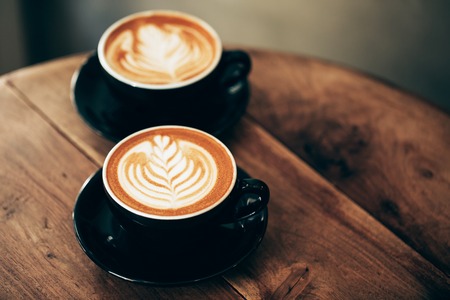
Once upon a time, Britain was a land ruled by tea. Yet over recent decades, coffee has not just crept in—it’s claimed its own seat at the table, shaping high streets and kitchen counters alike. From the bustling corners of London to the cobbled lanes of Edinburgh, independent cafes and multinational chains alike have become urban fixtures. The daily ritual of grabbing a flat white before hopping on the Tube, or savouring a pour-over at home on a rainy afternoon, is now as British as queuing or talking about the weather.
This shift isn’t simply about taste; it’s about identity and community. The UK’s coffee culture is both vibrant and diverse, blending cosmopolitan cool with local flair. Cafes serve as meeting points—places for creative collisions, quiet reflection, or catching up with mates. And as the aroma of freshly ground beans fills our lives, so too has an awareness grown: that each cup tells a global story. The provenance of our coffee—the farms in Ethiopia, Colombia, Kenya—matters just as much as how it’s brewed.
Increasingly, British consumers are looking beyond flavour notes and latte art, asking searching questions about where their beans come from and how they’re produced. Ethical choices—once niche—are now centre stage. It’s no longer enough for coffee to be smooth or strong; we want it to be kind to people and planet too. This awakening is quietly transforming our relationship with coffee, turning daily habits into acts of conscious living—a small but powerful gesture towards a fairer world.
2. Tracing the Journey: Coffee Origins Explained
Every cup of coffee sipped on a rainy British morning is more than a simple comfort—it’s a tapestry of distant landscapes, unique climates, and vibrant communities woven together. Understanding where your coffee beans originate is a crucial step in making ethical choices, as it reveals the journey from seed to cup and the impact each stage has on flavour, sustainability, and local livelihoods.
The Influence of Region: Soil, Climate, and Culture
Coffee’s flavour profile is shaped by its terroir—a term borrowed from wine that encompasses soil composition, altitude, rainfall, and even the traditions of local farmers. Here’s a snapshot of some of the world’s renowned coffee regions and what makes them distinct:
| Region | Soil & Climate | Distinctive Notes | Community Impact |
|---|---|---|---|
| Ethiopia | High-altitude, volcanic soils; temperate climate | Floral, fruity with hints of jasmine and bergamot | Birthplace of coffee; supports smallholder farmers and ancient traditions |
| Colombia | Rich volcanic soil; equatorial highlands with ample rainfall | Balanced acidity, caramel sweetness, nutty undertones | Pillar of rural economies; often part of fair trade initiatives |
| Brazil | Diverse altitudes; tropical climate; mineral-rich soils | Chocolatey, nutty with low acidity | World’s largest producer; mix of large estates and small farms |
| Kenya | Red volcanic earth; high elevations near the equator | Berries, citrus brightness, wine-like body | Auction system empowers farmers through cooperative models |
| Sumatra (Indonesia) | Lush rainforests; humid equatorial climate; rich organic soil | Earthy, spicy, full-bodied with herbal notes | Sustains indigenous farming communities with traditional methods |
A British Perspective: Why Origin Matters at Home
For British consumers, understanding these origins isn’t just about taste—it’s about connection. Choosing single-origin or ethically sourced blends means supporting farmers who prioritise environmental stewardship and community welfare. The next time you pop into your local café or browse supermarket shelves in Shoreditch or Edinburgh, consider asking about the bean’s origin. Not only does this foster transparency, but it also encourages retailers to stock beans that support sustainable practices across continents.
The Power in Your Cup: Making Informed Choices
Your daily brew can drive change beyond your kitchen window. By tracing the journey from remote hillsides to British high streets, you empower yourself to make ethical decisions—one mindful mug at a time.

3. Demystifying Certifications: What British Shoppers Need to Know
If you’ve ever found yourself squinting at a coffee bag in your local Sainsbury’s or peering at the labels in an East London indie café, you’ll know that the world of ethical coffee certifications can feel like a maze. Let’s unravel the mystery together and focus on what really matters for British consumers seeking to make informed, responsible choices.
Fairtrade: Levelling the Playing Field
Arguably the most recognised ethical badge in Britain, the Fairtrade mark is almost as familiar as a cuppa itself. When you choose Fairtrade-certified coffee, you’re supporting guaranteed minimum prices for farmers, improved working conditions, and investment in community projects. For many UK shoppers, this label offers peace of mind—it’s widely endorsed by charities and supermarkets alike, making it a solid choice if you want your daily brew to have a positive impact.
Rainforest Alliance: Nurturing Nature and Communities
The little green frog logo of Rainforest Alliance has become increasingly common on British shelves. This certification focuses on environmental stewardship—protecting biodiversity, promoting sustainable agriculture, and ensuring decent livelihoods for workers. While its standards differ from Fairtrade (with more emphasis on ecological practices), choosing Rainforest Alliance means supporting farms that strive to tread lightly on our planet. For eco-conscious Brits, this is an emblem worth looking out for.
Organic: Pure Coffee, Pure Conscience
Organic certification guarantees that your coffee has been grown without synthetic pesticides or fertilisers—a boon for both the environment and your mug. In the UK, organic labels are regulated by bodies like the Soil Association. While organic coffee tends to cost a touch more, it appeals to those who value natural production methods and traceable supply chains. If you want your flat white to be as clean as your conscience, organic might be your top pick.
Which Labels Matter Most in the UK?
So which stamp should you seek out? There’s no single right answer—each certification brings unique benefits. For shoppers prioritising fair wages and community impact, Fairtrade leads the pack; those with green leanings may gravitate towards Rainforest Alliance or Organic options. The best advice? Mix it up—look for at least one of these respected marks on your next bag of beans, and know that every ethical purchase helps shape a fairer coffee industry.
Final Sip: Navigating with Confidence
In short, British consumers have a wealth of certified options at their fingertips. Whether you’re picking up beans at Tesco or ordering from a Shoreditch roastery, keep these labels in mind—and let your choices reflect both taste and conscience.
4. Spotting Greenwashing: Reading Beyond the Packaging
If you’ve ever stood in front of the coffee aisle at your local Sainsbury’s or wandered through an independent café in Shoreditch, you’ll know just how overwhelming it can be to pick a truly ethical brew. Buzzwords like “eco-friendly”, “sustainable”, and “green” are plastered across bags and boxes, but what do they really mean? Here’s how savvy British consumers can cut through the marketing chatter and make choices that genuinely align with their values.
Honing Your Critical Eye: Beyond Buzzwords
First things first—don’t take packaging at face value. It’s easy for brands to use earthy colours, recycled paper, or vague slogans to give off an eco-conscious vibe without backing it up with real action. Look instead for specific certifications (like Fairtrade or Rainforest Alliance) and clear information about the supply chain. If details on origin, producer, or farming practices are missing, that’s often a red flag.
Common Greenwashing Tactics vs Genuine Signals
| Tactic | Greenwashing Example | Genuine Signal |
|---|---|---|
| Vague Language | “Eco-friendly”, “natural”, “responsibly sourced” (without details) | Specific certifications (e.g., Fairtrade, Soil Association Organic) |
| Imagery & Colour | Green packaging, trees, rustic fonts | Transparency about farm location and farmer partnerships |
| Lack of Traceability | No origin details or only regional info (“South America”) | Named farms, co-operatives, traceable supply chain links |
The British High Street Test: What to Look For Locally
On UK shelves—from Waitrose to your neighbourhood market—look for brands that publish impact reports or provide QR codes linking to more information about producers. Coffee companies committed to transparency often host events or partner with British charities; these are good signs they’re active beyond just branding.
Practical Steps for British Shoppers
- Read the small print: Certifications should be third-party verified, not invented by the brand itself.
- Check online: Many ethical brands share detailed sourcing stories on their websites—scan them before making a purchase.
- Support local roasters: Small-batch UK roasters often have direct relationships with farmers and can answer questions about sourcing.
A City Dwellers’ Checklist for Ethical Coffee Choices:
- Look past the packaging—seek substance over style.
- Demand clarity—if you’re unsure, ask retailers or baristas directly.
- Trust but verify—cross-check claims online or via independent guides such as Ethical Consumer magazine.
Sifting through marketing fluff isn’t always glamorous—but in a city as dynamic as London or Manchester, your choices ripple outwards. By developing a critical eye for greenwashing and supporting genuinely ethical brands, British consumers can help turn everyday coffee moments into acts of quiet activism.
5. Making an Impact: Everyday Ethical Coffee Habits
When it comes to ethical coffee, every cup is a quiet act of rebellion, shaping the future of how Britain sips and savours its daily brew. It’s not just about buying the right beans—it’s about weaving mindful rituals into our city rhythms and country mornings alike. Here’s how British consumers can turn small choices into powerful ripples across our beloved coffee culture.
Support Your Local Cafés
Championing your neighbourhood indie café isn’t just a feel-good gesture; it’s a grassroots investment in your local economy and community spirit. Many independent spots source beans with traceable origins and foster direct relationships with ethical roasters. Next time you’re strolling through Soho or wandering down Edinburgh’s cobbled lanes, skip the chain for a local gem—your flat white will taste better for it.
Reduce Waste—Sip Sustainably
Coffee culture in the UK generates mountains of waste, from disposable cups to plastic stirrers. Embrace reusable cups (your trusty KeepCup or thermos deserves more airtime), seek out compostable packaging, and encourage your favourite cafés to join the refill revolution. Even at home, get creative: repurpose coffee grounds for garden compost or homemade scrubs, making sure nothing goes to waste.
Brew With a Conscience
Your morning ritual can be a force for good with just a few tweaks. Opt for ethically certified beans—from Fairtrade to Rainforest Alliance—and grind fresh for less packaging waste. Explore slow-brewing methods like French press or AeroPress to savour flavours while conserving energy. And when you share your ethically brewed creation with friends, you’re spreading awareness one cup at a time.
Small Steps, Big Waves
Ethical choices aren’t about perfection—they’re about progress. Whether you’re supporting local cafés, reducing single-use waste, or brewing responsibly at home, each decision is a tiny protest against the status quo. In Britain’s bustling cities and sleepy villages alike, these everyday acts are reshaping what it means to enjoy coffee—proving that when we come together over a cuppa, small choices truly make big waves.
6. Voices from the Field: Perspectives from Producers to UK Baristas
Behind every ethically sourced cup of coffee in Britain, there are stories that bridge continents and cultures—human narratives as rich as the beans themselves. To truly understand the impact of our choices, it’s worth listening to those at the heart of this journey: from coffee growers in distant highlands to baristas crafting flat whites on a rainy London morning.
The Growers’ Story: Roots in Responsibility
Maria, a third-generation coffee farmer from Colombia, shares how certifications like Fairtrade have transformed her village. “Before, we struggled to send our children to school or invest in our land,” she explains. “Now, with ethical buyers in the UK demanding transparency and fairness, we see real change—better wages, healthcare projects, and hope for our community.” For Maria, each ethically labelled bag is not just about commerce; it’s a lifeline connecting her family’s well-being to the choices made by British consumers.
Barista Insights: Brewing Ethics on the High Street
Closer to home, Tom—a seasoned barista at an independent café in Manchester—believes his role goes beyond latte art. “Customers are more curious these days. They ask where their coffee comes from, what certifications mean,” he says. Tom enjoys bridging the gap: “When I tell them about our direct-trade partnership with a small Rwandan co-op, you see something click. It makes their daily brew feel more meaningful—it’s not just about taste, but trust.”
Real-World Ripples: The Power of Informed Choices
The connection doesn’t end at purchase. When UK consumers opt for ethically certified or traceable coffee, they fuel a virtuous cycle—from environmental sustainability on farms to fairer pay behind every espresso machine. These choices empower producers like Maria and enable baristas like Tom to champion values that matter.
A Shared Journey: From Farm to Cup
Ultimately, ethical coffee isn’t just a trend—it’s a shared story told with every sip. Whether you’re reading this in a bustling London café or brewing at home in Bristol, your decisions echo across oceans and fields. By choosing thoughtfully sourced beans and supporting local cafés invested in ethics, British consumers become part of a global movement—one cup at a time.