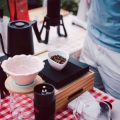
Introduction to British Coffee Cocktails
Coffee cocktails have surged in popularity across the United Kingdom in recent years, blending the rich heritage of British mixology with the evolving specialty coffee scene. As British palates become more adventurous, bartenders and baristas are experimenting with inventive combinations that reflect both global trends and local preferences. From bustling London cocktail bars to cosy cafés in the Scottish Highlands, each region brings its own twist to coffee-based libations. This growing fascination is more than a fleeting trend; it is a testament to how British culture, with its love for both tradition and innovation, shapes unique regional interpretations of the classic coffee cocktail. In exploring these variations, we gain insight into how local ingredients, historical influences, and community tastes contribute to an ever-expanding repertoire of coffee cocktails that are distinctly British.
Classic and Contemporary British Coffee Cocktail Recipes
When discussing the landscape of British coffee cocktails, it is essential to recognise both the time-honoured classics and the fresh, innovative concoctions emerging from across the UK. The Espresso Martini—widely regarded as a modern classic—has found a cherished place in British cocktail culture. Its simple blend of vodka, espresso, and coffee liqueur delivers a rich, velvety texture that satisfies both coffee aficionados and cocktail enthusiasts. However, British bartenders are far from limited to this iconic serve; they have injected local character and regional flair into their creations, resulting in a dynamic array of drinks that reflect the nation’s diverse palate.
| Cocktail Name | Region/Origin | Key Ingredients | Distinctive Feature |
|---|---|---|---|
| Espresso Martini | London | Vodka, espresso, coffee liqueur | Smooth & sophisticated; city staple |
| Scottish Highlander | Scotland | Single malt whisky, cold brew, honey syrup | Marries whisky warmth with deep roast notes |
| Bristol Brew Flip | South West England | Rum, stout reduction, espresso, egg yolk | Creamy texture with malty undertones |
| Kentish Cherry Mocha Fizz | Kent | Cherry brandy, chocolate bitters, espresso, soda water | Hints of orchard fruit and lively effervescence |
| Yorkshire Parkin Latte Martini | Yorkshire | Oat vodka, gingerbread syrup, espresso, cream float | Nods to Yorkshire’s traditional parkin cake |
| Belfast Black Irish Coffee | Belfast/Northern Ireland | Irish whiskey, double shot espresso, Demerara sugar, whipped cream | A robust twist on the original Irish Coffee using local beans and craft whiskey |
The evolution of these recipes underscores how British mixologists often draw inspiration from regional produce and local traditions. From Scotland’s famed single malts blending harmoniously with dark-roasted cold brew to Kent’s abundant cherries lending brightness to coffee fizzes, each region infuses its cocktails with unique ingredients and brewing methods. This synergy between artisanal coffee roasting and cocktail craftsmanship has spurred an exciting wave of experimentation: think oat-based spirits echoing Yorkshire’s baking heritage or Bristol’s penchant for bold flavours showcased in stout reductions paired with freshly pulled espresso. As a result, British coffee cocktails today represent not just technical excellence but also a celebration of locality and flavour diversity.

3. Regional Influences and Local Ingredients
The United Kingdom boasts a rich tapestry of regional flavours, each contributing its own distinctive touch to the world of coffee cocktails. The interplay between local ingredients and traditional spirits is integral to crafting unique drinks that reflect the identity of their respective areas. In Scotland, for instance, the smoky complexity of single malt whisky pairs beautifully with robust espresso, lending depth and a warming finish that is particularly appreciated during colder months. Scottish malt’s peaty notes seamlessly blend with the caramelised undertones of well-roasted coffee, resulting in cocktails that are both bold and nuanced.
Moving westward, Irish cream liqueur emerges as an iconic addition to coffee-based drinks in Northern Ireland and beyond. Its silky texture and subtle sweetness complement the bitterness of freshly brewed coffee, creating an indulgent experience that has become a staple in many British bars. Irish cream’s integration into coffee cocktails highlights not only its versatility but also how local dairy traditions influence beverage innovation across the isles.
In Wales, locally produced honey is frequently incorporated into coffee cocktails, bringing floral aromas and a delicate sweetness that enhances both spirit-forward and non-alcoholic creations. Welsh honey works harmoniously with lighter roasts, accentuating natural acidity while adding a regional signature that distinguishes Welsh coffee cocktails from their counterparts elsewhere in Britain.
Finally, England’s thriving craft gin movement has left an indelible mark on contemporary coffee mixology. English gin—characterised by its botanical complexity—offers vibrant citrus and herbal notes that contrast beautifully with dark roasted beans. Whether used as a base spirit or an aromatic garnish, gin transforms classic coffee cocktails into modern expressions of English creativity and taste.
Together, these regionally inspired ingredients underscore the diversity found within British coffee cocktail culture. By thoughtfully combining local spirits and produce with expertly roasted beans, bartenders and enthusiasts alike can create drinks that not only satisfy the palate but also celebrate the character of Britain’s varied landscapes and traditions.
4. Barista and Bartender Perspectives from Across the UK
The evolution of coffee cocktails in the UK owes much to the ingenuity and passion of baristas and bartenders who continually push the boundaries of flavour. Insights gathered from specialty coffee professionals and mixologists in cities such as London, Edinburgh, Cardiff, and Belfast reveal a nuanced landscape shaped by local preferences, regional produce, and a dedication to craft.
London: Innovation Meets Tradition
London’s cosmopolitan character is reflected in its coffee cocktail scene. According to award-winning barista Sarah Jenkins at Shoreditch’s renowned brew bar, the city’s clientele demands both classics like the Espresso Martini and experimental creations utilising single-origin beans. Bartender Tom Avery notes, “Our regulars appreciate complex profiles—think citrusy Ethiopian espresso paired with British gin, finished with a hint of rosemary syrup.”
Edinburgh: Heritage with a Modern Twist
In Edinburgh, there is an evident respect for local heritage. James Campbell, head mixologist at a historic Old Town establishment, shares that Scottish whisky often features in their signature coffee cocktails. He states, “We frequently use Highland single malts or peated whiskies as a base, complemented by nutty South American espresso for a smoky yet balanced experience.” The city’s cool climate also influences seasonal menus, favouring warming ingredients like heather honey or spiced liqueurs.
Cardiff: Local Produce and Community Spirit
Cardiff’s speciality coffee professionals highlight the importance of community and local sourcing. Barista Megan Roberts explains that Welsh dairy and locally roasted beans are at the heart of their offerings. “We experiment with small-batch liqueurs made in Wales, such as sea buckthorn or elderflower infusions,” she says. The resulting cocktails tend to be lighter and floral, aligning with the region’s appreciation for fresh and vibrant flavours.
Belfast: Bold Flavours and Artisan Techniques
Belfast’s mixologists bring boldness to the fore. According to Conor O’Neill from a popular Cathedral Quarter café-bar, Northern Irish whiskey is a staple ingredient, often complemented by robust dark roast espresso. “There’s an appetite here for strong, assertive drinks—think cold brew negronis or coffee-infused stouts,” Conor remarks. He also notes a growing interest in sustainability, with many bars repurposing spent coffee grounds for garnishes or infusions.
Regional Flavour Pairings at a Glance
| City | Main Spirit/Ingredient | Coffee Profile | Signature Flavour Notes |
|---|---|---|---|
| London | British Gin | Ethiopian Single-Origin | Citrus, Herbal |
| Edinburgh | Scottish Whisky | South American Espresso | Smoky, Nutty |
| Cardiff | Welsh Liqueurs/Dairy | Locally Roasted Blend | Floral, Light-bodied |
| Belfast | Northern Irish Whiskey/Stout | Dark Roast Espresso/Cold Brew | Bold, Malty |
This rich tapestry of perspectives underlines how regional identity continues to shape British coffee cocktail culture. Whether it is London’s creative fusions or Belfast’s robust profiles, these insights from behind the bar highlight both technical skill and an acute sensitivity to local taste preferences—ultimately elevating the coffee cocktail experience across the UK.
5. Coffee Culture and Local Traditions
Across the United Kingdom, coffee cocktails are not merely beverages—they are woven into the very fabric of local customs and social rituals. From bustling city centres to tranquil rural villages, the British approach to coffee cocktails reflects a vibrant interplay between tradition and innovation, shaped by regional tastes and longstanding habits. In many areas, particularly in the North of England and Scotland, coffee cocktails have found a comfortable home within the iconic British pub culture. Here, ordering an espresso martini or an Irish coffee is as much about conviviality as it is about flavour, often marking the transition from evening pints to after-hours indulgence. These drinks frequently serve as the centrepiece for after-dinner gatherings, where they act as both digestif and social lubricant, encouraging lively conversation long after the plates have been cleared.
The South West’s penchant for locally distilled spirits has given rise to unique creations—think West Country cider brandy paired with freshly brewed coffee—while in cosmopolitan hubs like London and Manchester, bartenders experiment with global influences, integrating ingredients such as cardamom or salted caramel to reflect their multicultural communities. In coastal towns, the warming comfort of a hot coffee cocktail is especially prized during colder months, when locals gather in seaside pubs for warmth and camaraderie. Meanwhile, in Northern Ireland, the tradition of serving Irish coffee at family celebrations or community events speaks to a broader cultural value placed on hospitality and togetherness. Ultimately, these regional nuances demonstrate how coffee cocktails have evolved beyond mere trends to become integral components of British communal life—each variation telling a story of place, people, and shared experience.
6. Pairing British Coffee Cocktails with Regional Cuisine
When exploring the unique tapestry of British coffee cocktails, it’s essential to consider how these innovative drinks can be harmoniously paired with classic regional fare. The subtle nuances and robust profiles of coffee-based cocktails offer an exciting counterpoint to the diverse culinary heritage found across the UK. Whether you are hosting a sophisticated brunch or a cosy evening gathering, thoughtful pairings can elevate both the beverage and dining experience.
Elevenses: Scones, Clotted Cream, and Coffee Cocktails
Few things are more quintessentially British than a freshly baked scone served with clotted cream and jam. For an elegant elevenses treat, consider pairing this beloved staple with a Cornish Cream Espresso Martini. The cocktail’s rich espresso notes beautifully complement the creamy texture and sweetness of the scone, while a touch of local Cornish vodka adds regional character. The slight bitterness of the coffee cuts through the richness, creating a well-balanced palate experience.
Afternoon Tea: Light Cakes and Delicate Infusions
Delicate cakes such as Battenberg or Victoria sponge are traditional features of afternoon tea. A subtle Derbyshire Coffee Fizz, made with cold brew coffee, gin, and a hint of elderflower liqueur, offers refreshing acidity that cleanses the palate between bites. The botanical elements in the cocktail echo the floral notes often found in English garden teas, making for a seamless integration into any afternoon spread.
Pub Classics: Hearty Fare Meets Bold Flavours
The comforting heartiness of pub classics like steak and ale pie or Cumberland sausages demands a cocktail with depth and body. Enter the Yorkshire Mocha Old Fashioned—an inventive blend of locally roasted coffee, Yorkshire whisky, and brown sugar syrup. Its robust flavour profile stands up to savoury dishes, while subtle chocolate undertones accentuate meaty flavours without overpowering them.
Scottish Seafood: Briny Freshness with Coffee Complexity
Scotland’s coastal regions boast exquisite seafood such as smoked salmon or Cullen skink. A Highland Iced Coffee Sour—featuring cold-brewed Scottish roast coffee, lemon juice, and peated whisky—offers zesty brightness that lifts the briny notes of seafood dishes. The smoky aroma from the whisky creates a bridge between land and sea, echoing Scotland’s rugged culinary landscape.
Welsh Specialities: Sweet Treats and Spiced Infusions
Welsh cakes or bara brith (spiced fruit loaf) call for something warming yet nuanced. Try pairing these sweets with a Cardiff Café Brûlée—a dessert-inspired cocktail combining strong filter coffee with Welsh cream liqueur and a sprinkle of nutmeg. This match enhances the spice in traditional Welsh baking while providing a soothing finish to any meal.
By thoughtfully matching regional British coffee cocktails to local cuisine, one can showcase both tradition and innovation. These pairings not only highlight the diversity of Britain’s food culture but also celebrate the artistry behind each carefully crafted cocktail—a true testament to Britain’s evolving love affair with coffee and conviviality.
7. The Future of Coffee Cocktails in Britain
The landscape of British coffee cocktails is poised for significant transformation, driven by evolving consumer tastes, a growing emphasis on sustainability, and the ever-increasing influence of specialty coffee. As the nation’s palate becomes more adventurous and discerning, it is likely that regional distinctions will further flourish, with local ingredients and heritage spirits continuing to shape new iterations of classic recipes.
Emerging Trends and Innovations
Across the UK, bartenders and baristas are experimenting with innovative infusions, cold brew extractions, and alternative brewing methods to elevate coffee-based cocktails. We can expect the future to bring not only creative flavour pairings—think Scottish single malts mingling with rich espresso or Cornish clotted cream adding depth to iced liqueurs—but also a broader adoption of low-ABV and non-alcoholic options. These trends cater to changing lifestyles while respecting the British tradition of conviviality.
Sustainability as a Driving Force
The push towards ethical sourcing and environmental stewardship is set to redefine how coffee cocktails are crafted across Britain. From using locally roasted beans and regionally distilled spirits to repurposing spent coffee grounds as cocktail garnishes, sustainability initiatives are rapidly becoming central to both independent cafés and high-end bars. This movement not only reduces waste but also deepens the connection between beverage and place, reinforcing the unique identity of each region’s approach.
The Role of Specialty Coffee
Specialty coffee culture has firmly rooted itself in British cities and countryside alike, raising standards for quality and traceability. As a result, bartenders increasingly collaborate with artisan roasters to develop bespoke blends tailored specifically for cocktail applications. This partnership is fostering a new generation of drinks where the subtle nuances of origin, roast profile, and extraction method are celebrated alongside local spirits and mixers.
Looking Forward: A Collaborative Craft
Ultimately, the next wave of British coffee cocktails will be shaped by collaboration—between regions, between roasters and distillers, and between tradition and innovation. With a focus on provenance, sustainability, and craftsmanship, Britain’s evolving coffee cocktail scene is set to capture global attention while remaining distinctly local in flavour and character.