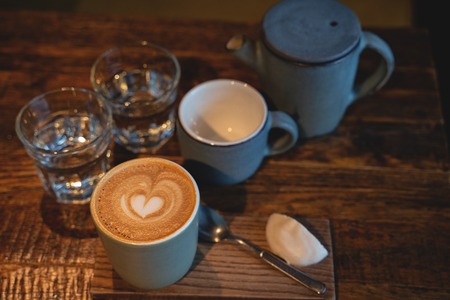
The Rise of Decaf Culture in the UK
In recent years, Britain has witnessed a significant shift in coffee culture, with decaffeinated options experiencing an unprecedented surge in popularity. Once perceived as a niche preference, decaf coffee is now firmly embedded within the daily routines of many Britons seeking balance between their love for coffee and their wellbeing. This evolving trend reflects broader cultural changes: as busy British lifestyles accelerate, there is growing awareness of the impact caffeine can have on sleep, stress levels, and general health. The modern British consumer is more informed and discerning, driving demand for high-quality decaf that doesn’t compromise on flavour or experience. Specialty coffee shops across London, Manchester, Edinburgh and beyond are responding by offering expertly roasted decaf beans alongside their standard selections, catering to a diverse clientele that includes health-conscious professionals, parents, students, and retirees alike. This rising appreciation for decaf signals not just a shift in taste but a transformation in values—where personal wellness and mindful consumption are becoming central to the contemporary British coffee experience.
2. Understanding Caffeine’s Impact on Wellbeing
Caffeine is a staple in British culture, with many reaching for their morning cuppa or afternoon pick-me-up without a second thought. However, it is crucial to consider how caffeine consumption affects both our physical and mental wellbeing—especially when managing the demands of a busy lifestyle. Scientific research consistently highlights caffeine as a central nervous system stimulant, influencing everything from alertness to sleep quality. While moderate intake may boost concentration and mood in the short term, excessive consumption can trigger unwanted side effects, such as jitteriness, increased heart rate, and disrupted sleep.
Scientific Insights into Caffeine’s Effects
Studies published by the British Medical Journal and NHS guidance indicate that sensitivity to caffeine varies widely among individuals. For some, even one cup of strong coffee can lead to restlessness or anxiety, whereas others may tolerate several cups with minimal impact. Notably, the British Heart Foundation warns that high caffeine intake can contribute to elevated blood pressure—a risk factor for cardiovascular disease.
Common Physical and Mental Effects of Caffeine
| Effect | Short-Term Impact | Long-Term Impact |
|---|---|---|
| Alertness & Focus | Increased energy and improved concentration | Possible dependency; tolerance build-up |
| Sleep Quality | Difficulties falling asleep if consumed late in the day | Chronic insomnia; disrupted sleep cycles |
| Mood & Anxiety | Temporary mood lift; possible jitteriness or irritability | Increased stress response; heightened anxiety in sensitive individuals |
| Heart Health | Elevated heart rate; palpitations in some cases | Potential increase in blood pressure over time |
Cultural Experiences Among the British Public
The British public commonly shares anecdotes about relying on tea or coffee during long workdays, commutes, or while socialising. Yet, many also report negative experiences such as ‘the dreaded afternoon slump’, difficulty winding down at night, or feeling anxious after multiple cups. These lived experiences align closely with scientific findings and highlight why more Britons are exploring decaf alternatives as part of a balanced lifestyle.

3. The Benefits of Going Caffeine-Free for Busy Britons
For many Britons, the daily juggle between professional responsibilities, family commitments, and personal wellness can be a demanding affair. Opting for decaffeinated choices presents a significant advantage for those navigating high-paced lifestyles, offering a pathway to maintain energy and focus without the drawbacks commonly associated with caffeine consumption.
Enhancing Quality Sleep Amidst Hectic Schedules
Busy schedules often leave little room for rest, making quality sleep an essential component of wellbeing. Decaf beverages help support more restful nights by eliminating caffeine-induced disruptions to natural sleep cycles. This is particularly valuable for professionals who need to stay sharp during early meetings or parents balancing late-night family duties.
Reducing Stress and Jitters in the Workplace
The pressure to perform in fast-moving work environments can amplify stress levels. Switching to decaf mitigates the risk of caffeine-related jitters and anxiety, enabling individuals to remain composed and clear-headed throughout the day. This calm alertness is highly beneficial for those facing back-to-back meetings or tight deadlines.
Supporting Digestive Comfort on the Go
For those constantly on their feet—whether commuting across London or dashing between appointments—digestive comfort becomes paramount. Decaf options are generally gentler on the stomach, reducing the likelihood of heartburn or discomfort that can accompany regular caffeinated drinks. This allows busy Britons to enjoy their favourite brews without compromising their wellbeing.
Promoting Better Hydration for Active Lifestyles
Caffeine is known for its mild diuretic effect, which may contribute to dehydration if not balanced with water intake. By choosing decaf, individuals can better maintain optimal hydration levels—a crucial factor when navigating the demands of a bustling British lifestyle, from the office floor to weekend excursions.
A Mindful Approach to Everyday Coffee Rituals
Ultimately, going caffeine-free empowers busy Britons to sustain their cherished coffee rituals while making mindful decisions that support both immediate productivity and long-term health. Whether enjoyed at home, in local cafés, or during moments of respite at work, decaf offers a balanced solution tailored to the realities of contemporary British living.
4. Social Perceptions: Decaf Choices in British Society
Decaf coffee has long carried a certain stigma in the UK, often perceived as the less exciting cousin to its caffeinated counterpart. However, contemporary British society is undergoing a gradual but significant shift in attitudes towards caffeine-free options. Historically, ordering decaf might have attracted a raised eyebrow or prompted questions about ones health or age, reflecting deep-rooted cultural associations with coffee as an energising necessity for busy lifestyles. Today, however, these perceptions are beginning to evolve as more Britons recognise the value of wellbeing and mindful consumption.
Shifting Attitudes and Evolving Norms
The UKs bustling café culture has traditionally celebrated robust, high-caffeine brews. Yet, as awareness grows around sleep hygiene, anxiety management, and individual health needs, choosing decaf is increasingly seen as a proactive step rather than a compromise. A new generation of consumers is challenging outdated notions, viewing decaf not as a sign of weakness but as an informed personal choice aligned with holistic wellness trends.
Stigma and Stereotypes: An Ongoing Shift
While some residual stereotypes persist—such as the idea that decaf is only for the elderly or those with medical conditions—market data and social listening suggest these views are waning. Coffee shops across London, Manchester, and Edinburgh now routinely offer high-quality decaf options, while social media influencers openly discuss their caffeine habits without fear of judgement. This normalisation signals a cultural pivot towards inclusivity and respect for diverse lifestyle choices.
Comparative Attitudes: Caffeinated vs Decaf Choices
| Aspect | Caffeinated Coffee | Decaf Coffee |
|---|---|---|
| Cultural Image | Energetic, social, essential for productivity | Traditionally seen as weaker; now associated with wellbeing |
| Social Acceptance (2020) | High | Moderate |
| Social Acceptance (2024) | High | Increasingly high; approaching parity in metropolitan areas |
| Main Consumer Groups | All ages; professionals; students | Younger adults prioritising health; wellness-oriented groups; shift workers |
| Key Motivations | Alertness; tradition; taste preference | Wellbeing; sleep quality; anxiety reduction; taste preference |
The Path to Normalisation: Workplace & Community Influence
Employers are playing a role in destigmatising decaf by including caffeine-free options at office coffee stations and meetings—a subtle but powerful nod to inclusivity. In community settings such as parent groups and fitness clubs, offering decaf alongside traditional brews is becoming standard practice. These everyday changes reinforce the message that choosing decaf is neither unusual nor inferior but a legitimate reflection of personal priorities.
The ongoing normalisation of decaf in British society demonstrates how collective attitudes can adapt to support wellbeing within fast-paced modern life. As stigma fades and acceptance grows, individuals are empowered to make beverage choices that best serve their mental and physical health—without sacrificing the cherished ritual of a good cup of coffee.
5. Decaf Without Compromise: Flavour and Quality
For many years, decaf coffee has battled a reputation for lacklustre taste and inferior quality, often dismissed as a last resort for those avoiding caffeine. However, this perception is rapidly changing across the UK, thanks to advancements in modern roasting techniques and a new wave of British artisanal roasters dedicated to delivering top-tier decaf experiences. Today’s decaf beans are no longer an afterthought; rather, they are selected and processed with the same care as their caffeinated counterparts, ensuring that flavour and aroma remain uncompromised.
British roasters now embrace innovative methods such as the Swiss Water Process or CO2 extraction, which gently remove caffeine while preserving the unique characteristics of each origin. These techniques allow subtle tasting notes—be it fruity acidity from Ethiopian beans or rich chocolate undertones from Latin American varieties—to shine through in every cup. In fact, many local coffee shops and specialty cafés across London, Edinburgh, and Manchester proudly serve decaf options that stand shoulder to shoulder with their regular offerings.
Choosing decaf no longer means sacrificing your appreciation for expertly roasted coffee. The growing focus on small-batch roasting and traceability within the UK’s specialty scene ensures that decaf drinkers can enjoy ethically sourced beans roasted to highlight their full potential. Whether you’re savouring a flat white at your favourite neighbourhood café or brewing a filter coffee at home, modern British decaf promises both satisfaction and sophistication—without compromise.
6. Practical Tips for Integrating Decaf into Daily Life
Adopting decaf into your daily routine can be both enjoyable and seamless, especially when tailored to British preferences and habits. Here are some practical strategies for making the switch without sacrificing tradition or taste.
Embrace the Ritual of a Cuppa
The British love affair with tea and coffee is well-documented. Swap your usual mid-morning or evening brew for a quality decaf blend. Many specialty roasters now offer decaf options that maintain the complex flavours Britons expect, whether you prefer a robust builder’s tea or a smooth flat white. Opt for loose-leaf decaf teas or artisan decaf coffees to ensure the experience remains satisfying.
Stock Up at Home and Work
Keep a selection of decaf teas and coffees both at home and in your workplace kitchen. Having easy access removes barriers to choosing caffeine-free, particularly during those moments when you fancy a hot drink but want to avoid the jitters or sleepless nights.
Experiment with Brewing Methods
Decaf doesn’t mean compromising on brewing rituals. Use your favourite cafetière, stovetop espresso maker, or teapot just as you would with regular blends. Experimenting with grind size, water temperature, and steeping times can yield excellent results with decaf beans or leaves, ensuring every cup meets your expectations.
Pair with Classic British Treats
A quintessentially British afternoon tea can be just as delightful with decaf. Pair your decaffeinated beverage with scones, Victoria sponge, or a slice of Battenberg cake for that comforting indulgence—perfect for winding down after a busy day without risking late-night stimulation.
Choose Decaf When Out and About
Most high street cafés now provide quality decaf alternatives. Don’t hesitate to request a decaf Americano or latte when meeting friends or grabbing a takeaway coffee on your commute. Baristas are well-versed in preparing these options, so you won’t be missing out on café culture.
Gradual Transition for Best Results
If you’re accustomed to regular caffeine intake, consider gradually replacing one or two cups per day with decaf options. This approach helps ease the transition while allowing you to monitor improvements in sleep quality and wellbeing over time.
Conclusion: A Balanced Approach
Integrating decaf into your daily life doesn’t require abandoning cherished rituals or flavours. With thoughtful choices and an openness to new blends, busy Britons can enjoy all the benefits of their favourite beverages—minus the caffeine-induced drawbacks—supporting better balance and wellbeing.