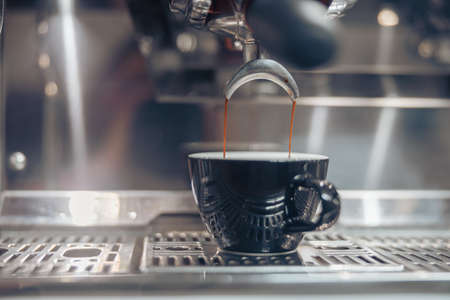
Introduction: Embracing Espresso at Home
There’s something deeply enchanting about the gentle hum of a kettle, the aroma of freshly ground beans swirling through a kitchen, and the promise of that first sip—dark, bold, and brimming with warmth. For many across the UK, coffee isn’t simply a drink; it’s a moment to pause amidst the bustle, a daily ritual woven into the fabric of urban mornings and lazy weekend afternoons alike. In recent years, espresso has found its way into British hearts and homes, no longer reserved solely for chic Italian cafés or London’s hipster haunts. The allure lies not only in its rich flavour but in the satisfaction of crafting something truly yours—a cup that reflects your taste and care. Whether you’re tempted by the gleaming buttons of a home machine or curious about mastering espresso with just a stovetop pot and a bit of patience, this journey is about more than caffeine. It’s about embracing small rituals, finding comfort in familiar routines, and discovering joy in those quiet city corners where you can savour your own perfect brew.
2. The Essentials: What You’ll Need
Before embarking on your home espresso adventure, it’s worth gathering the necessary kit. Whether you’re investing in a high-spec machine or embracing the charm of stovetop brewing, each piece has its role to play. Let’s break down the must-haves and explore how to source the right beans—British style.
Espresso Equipment: From Luxe to Classic
| Equipment | Description | British Take |
|---|---|---|
| Espresso Machine | The centrepiece for many—a good machine will regulate pressure and temperature. Options range from compact home models to barista-worthy beasts. | Perfect for those who want a café-level shot in their own kitchen. |
| Stovetop Moka Pot | A beloved, budget-friendly classic, especially in smaller flats. It brews strong, espresso-like coffee on the hob. | Ideal for renters or anyone with a penchant for retro charm. |
| Coffee Grinder | Burr grinders are best for consistency; hand grinders add ritual to your morning routine. | Freshly ground is a must—skip the supermarket pre-ground if you can. |
| Tamper & Scale | Tamping ensures even extraction; a digital scale helps nail your ratios every time. | Optional but elevates your brew, even if you’re just pottering about at home. |
Sourcing Beans: A Nod to Local Flavour
Your choice of beans is just as important as your equipment. For British coffee lovers, there’s joy in exploring local roasteries—often tucked away in railway arches or bustling market corners. Look for freshly roasted beans with tasting notes that suit your palate—nutty, chocolatey profiles are perennial favourites here, reminiscent of classic Italian blends but with a distinctly British sensibility. If you’re not sure where to begin, start with a medium roast from an independent London or Manchester roastery; these often strike a balance between brightness and body that suits both traditionalists and modern palates alike.
Bean Buying Tips
- Buy little and often—freshness is key.
- Ask your local roaster for recommendations tailored to espresso brewing.
- If you fancy something nostalgic, seek out blends inspired by classic British café culture—think comfort over complexity.
The British Espresso Starter Kit
- Espresso machine or moka pot
- Burr grinder (manual or electric)
- Digital scale & tamper (for precision)
- A bag of locally roasted beans (preferably whole)
With these essentials lined up on your worktop, you’re ready to dive into the rewarding world of home-brewed espresso—with a touch of British character in every cup.
3. Traditional Method: Using an Espresso Machine
If you’ve decided to invest in a home espresso machine, you’re already halfway to the genuine café experience—without stepping outside your London flat or charming Manchester terrace. But before you get brewing, let’s take a gentle stroll through the essentials, with a few nods to that unmistakable British knack for detail and precision.
Get Plugged In: The UK Power Reminder
First things first: most home espresso machines are fitted with a standard UK three-pin plug (BS 1363). It might sound obvious, but check your sockets and avoid any cheeky adaptor mishaps. Safety first, as our nan would say.
Water Matters: Mind the Hardness
The quality of water is often overlooked but can make or break your espresso. Many parts of Britain have hard water, which means limescale can build up inside your machine faster than a rainy day rolls in. Use filtered water if possible; not only does it protect your kit, but it also preserves those delicate coffee notes we all crave.
Step-by-Step Espresso Crafting
1. Warm Up
Switch on your machine and let it warm up fully—patience is a virtue here. A properly heated machine ensures even extraction and that rich crema on top.
2. Measure & Grind
The British love for precision shines now: weigh out around 18-20 grams of freshly ground coffee for a double shot. Consistency in grind size matters—a fine, table-salt texture is usually just right.
3. Tamp Down
Add your grounds to the portafilter and tamp firmly with a twist; think of it like packing brown sugar into a spoon—firm, but not overdone.
4. Brew & Savour
Lock in the portafilter, hit the brew button, and watch as dark liquid gold streams into your cup. Aim for a 25-30 second extraction time—a little stopwatch action wouldn’t go amiss here.
Pro Tip: Routine Cleaning
A quick clean after every use keeps your machine humming along and every cup tasting fresh—because nothing ruins an espresso like yesterday’s grounds lingering about.
With these steps (and that characteristic British attention to detail), you’re well on your way to mastering espresso at home—no queue at the café required.
4. Alternative Approaches: Espresso Without a Machine
If the prospect of investing in a traditional espresso machine feels a bit much—or if your kitchen simply doesn’t have the counter space—don’t fret. There are plenty of inventive ways to conjure up an espresso-style brew with trusty British kitchen kit. Let’s explore the alternatives that will let you chase that rich, bold flavour without the need for any fancy equipment.
Moka Pot: The Stovetop Classic
The Moka pot, often found tucked away in British cupboards, is as close as you’ll get to espresso at home without breaking the bank. This little Italian marvel sits right on your hob and works by forcing hot water through finely-ground coffee under pressure. The result? A robust shot with a satisfying crema-esque foam on top.
| Method | Grind Size | Brewing Time | Notes |
|---|---|---|---|
| Moka Pot | Fine (but not espresso-fine) | 4-5 minutes | Use just-off-the-boil water for quicker extraction and better taste |
AeroPress: For the Adventurous Brewer
If you fancy yourself a bit of a coffee experimenter, the AeroPress might be your new best mate. While technically not designed to make espresso, with a bit of tweaking—think finer grind and extra pressure—you can achieve something surprisingly close. It’s portable, quick, and perfect for those who like their gadgets simple yet effective.
| Method | Grind Size | Brewing Time | Notes |
|---|---|---|---|
| AeroPress (Espresso-style) | Fine | 1-2 minutes | Use double filter and press firmly for more crema; ideal for single servings |
Cafetière: The French Press Reimagined
The beloved cafetière (or French press) is a staple in many British homes. While it won’t mimic true espresso’s intensity or crema, you can coax out stronger flavours with the right approach. Use more coffee, a slightly finer grind than usual, and shorten your brew time. It’s not quite espresso—but it’s rich, warming, and undeniably comforting.
| Method | Grind Size | Brewing Time | Notes |
|---|---|---|---|
| Cafetière (Espresso-style) | Medium-fine | 3-4 minutes | Brew strong; plunge slowly for fuller body and depth |
The Everyday Espresso Experience at Home
You don’t need to remortgage your flat or transform your kitchen into a Shoreditch coffee bar to enjoy something akin to espresso at home. With familiar tools—be it Moka pot, AeroPress, or cafetière—you can whip up a bold cup whenever the mood strikes. Each method offers its own charm and character; just add your favourite mug and perhaps a biccie on the side for that proper British touch.
5. Finessing Your Brew: Tips & Troubleshooting
If you’ve made it this far, you’re no doubt keen to perfect your espresso—after all, there’s nothing quite like the satisfaction of a robust cup crafted by your own hands. In true British style, where every cuppa is treated with a quiet reverence, let’s have a look at how to refine your espresso game and sidestep some common missteps along the way.
When It’s Not Quite Right: Common Espresso Woes
Even the most seasoned baristas have faced the dreaded watery shot or an overly bitter brew. If your espresso tastes weak or sour, don’t lose heart. First port of call: check your grind size. Too coarse, and you’ll get a thin, underwhelming cup; too fine, and you risk bitterness or barely any flow at all. Remember, for most British kitchens, experimenting with grind is as essential as finding the right biscuit for your tea.
Temperature & Pressure: The Unsung Heroes
Espresso thrives on precision. If you’re using a machine, ensure it’s fully heated—a rushed machine never did anyone any favours. Water temperature should hover around 92–96°C; anything too cool and extraction falters, too hot and you scorch those delicate notes. Manual methods? A steady hand and patience are key. As the locals say: “Don’t rush a good thing.”
The Right Dose: More Is Not Always Merrier
Packing in more grounds in pursuit of strength often backfires. Stick to roughly 18–20 grams for a double shot if you’re using a machine. Tamp firmly but don’t compact it into oblivion—a gentle press will do. For stovetop or AeroPress methods, follow similar ratios and trust your palate; after all, everyone’s idea of “strong” is their own.
The British Touch: Local Wisdom for Perfect Espresso
Never underestimate the importance of freshly roasted beans—ask your local roaster for their recommendations, as they’ll know which origins suit an espresso best (and might slip you a cheeky sample). And when in doubt? Seek counsel from neighbours or local coffee shops; Britons are famously generous with advice when it comes to beverages.
A Final Word: Keep Calm and Brew On
No journey worth taking is without its bumps. Whether your espresso is too sharp or stubbornly dull, approach each attempt as another step towards mastery—and remember, even less-than-perfect cups pair beautifully with a slice of Victoria sponge and a good natter.
Espresso, British Style: Serving Suggestions
The espresso, with its continental charm and bold character, finds a new rhythm when enjoyed in the heart of Britain. Whether you’re sipping solo or hosting friends in your cosy flat, there’s an art to serving espresso that complements both tradition and local flair.
Start Simple: The Classic Demitasse
There’s a quiet pleasure in cradling a warm demitasse cup as rain taps on your window. Serve your freshly brewed espresso neat, letting its intensity shine. Offer a small twist of lemon peel on the saucer—an old-world nod that brightens each sip—or perhaps a single square of dark chocolate for balance.
Espresso-Based Drinks for British Weather
On drizzly afternoons, transform your espresso into comforting classics with a British touch. Try a homemade flat white: pour velvety microfoam over your shot for a creamy, mellow cup. Or go for an affogato—scoop vanilla ice cream into an espresso glass and drown it with hot coffee; pure indulgence when the clouds gather.
Layered Indulgence: Espresso Cocktails and Mocktails
For evenings in or social gatherings, shake up an espresso martini with vodka and coffee liqueur—a sophisticated pick-me-up beloved in London bars. Prefer something non-alcoholic? Mix your shot with tonic water over ice; the bitter-sweet fizz is surprisingly refreshing and distinctly modern.
Pairings and Nibbles
No British table is complete without nibbles. Serve shortbread biscuits, almond biscotti, or even classic scones alongside your coffee creations. These treats soak up espresso’s robust notes and make every cup feel like an occasion, whether you’re catching up with mates or enjoying a slow Sunday morning.
In the end, making espresso at home is about blending ritual with comfort. Embrace the process, experiment with serving styles, and let each cup reflect both Italian roots and British spirit—the perfect blend for any weather.