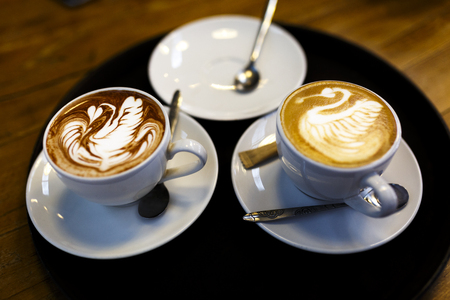
Steaming Origins: Coffeehouses Take Root in British Soil
Picture this: London’s cobblestone streets glistening with morning drizzle, the city still shaking off the remnants of medieval slumber, when a curious new aroma drifts from an unassuming doorway. Coffee, that enigmatic brew, had arrived on British shores by the mid-17th century, carried along trade winds and merchant ships from distant Ottoman ports. Once merely a mystic bean whispered about in Levantine markets and Turkish courts, coffee found fertile ground among Britain’s restless thinkers and traders. In shadowy alleys and bustling corners, coffeehouses began to sprout—hushed enclaves where merchants swapped news of far-off lands and philosophers debated the nature of existence over steaming cups. These early establishments were more than mere purveyors of drink; they became vibrant salons for conversation, idea exchange, and burgeoning public discourse. The British curiosity was insatiable—fuelled by tales of Ottoman intrigue and the promise of alert minds, Londoners flocked to these “penny universities,” eager for both stimulation and society. Thus began the slow but steady infusion of coffee into the veins of British culture, setting the stage for a revolution not just in taste, but in the very fabric of urban life.
Penny Universities: Brewing Minds Over Caffeine
Stroll through the rain-splattered streets of London in the 17th and 18th centuries, and you would find yourself amidst an aromatic revolution. The British coffeehouse was more than a mere pit stop for weary souls; it was a crucible where ideas percolated as briskly as the dark liquid itself. For just a penny—the price of admission—one could claim a seat at a communal table, order a cup of coffee, and soak up the latest news, gossip, and scholarly debate. It is no wonder these establishments earned the nickname ‘penny universities’, places where intellect thrived over caffeine rather than coin.
The Anatomy of a Penny University
Unlike the exclusive salons of Paris or the private clubs of St James’s, British coffeehouses flung their doors open to merchants, writers, philosophers, scientists, and politicians alike. The air buzzed with discourse: pamphlets circulated alongside cups of steaming brew; newspapers lay scattered on wooden tables; and strangers became acquaintances by virtue of shared curiosity. The following table captures the vibrant tapestry of typical coffeehouse patrons and their pursuits:
| Patron Type | Key Interests | Notable Coffeehouses |
|---|---|---|
| Writers & Poets | Literature, satire, publishing | Will’s Coffee House (Covent Garden) |
| Philosophers & Scientists | Debate, discovery, Enlightenment thought | The Grecian (Devereux Court) |
| Merchants & Traders | Commerce, shipping news, networking | Lloyd’s Coffee House (Tower Street) |
| Politicians & Activists | Policy discussion, reform ideas | Cockspur Street Coffee House |
A Catalyst for Urban Change
Coffeehouses were not merely havens for conversation—they became engines of urban transformation. Here in these smoky chambers, Isaac Newton dissected scientific dilemmas; Samuel Pepys chronicled daily life; Daniel Defoe found inspiration for novels; and political societies sharpened their manifestos. The city itself seemed to pulse with the rhythms of argument and agreement echoing from every corner booth. Ideas brewed here would spill into newspapers, parliament debates, and even onto cobbled streets in the form of protests or reforms.
Cultural Footprint
The legacy of Britain’s penny universities lingers on in today’s cafés and public forums. While the espresso machine may have replaced the copper kettle and laptops outnumber quills, the essence remains: a space to gather, to challenge one another, and to let fresh thoughts bubble up with every sip. In this way, coffeehouses did not simply caffeinate London—they helped shape its mind and its heart.

3. Social Elixir or Public Nuisance?
Step into a seventeenth-century London street and you’d find the air thick with conflicting opinions, as coffeehouses bubbled up across the city like froth atop a well-pulled espresso. What began as a sober antidote to the boisterous alehouse quickly became both the darling and the demon of British urban life. Coffeehouses promised conversation, clarity, and (perhaps most alluringly) a break from drunken disorder—a place where ideas percolated as briskly as the dark brew itself. Reformers and physicians sang their praises, touting coffee’s ability to sharpen the mind and keep bodies from succumbing to gin-soaked ruin. Yet, beneath this aromatic surface, anxieties simmered.
The authorities soon found themselves caught between admiration and alarm. As the aroma of roasted beans wafted through city lanes, so did rumours that these venues were breeding grounds for sedition and scandal. The government—keenly aware that talk could be as intoxicating as tipple—occasionally responded with crackdowns. In 1675, Charles II issued his notorious proclamation to shut down coffeehouses, branding them sites of “evil and dangerous effects.” The move was met with public outcry; Londoners had grown attached to their caffeine-fuelled forums, where news travelled faster than any town crier.
Moral panics swelled alongside cups of joe. Satirists and pamphleteers painted coffeehouses as dens of idle gossip, political plotting, and even gender subversion—where women might eavesdrop on matters supposedly beyond their station. At times, the debate felt more about preserving social order than public health; after all, what threatened tradition more: a strong cup or a strong opinion? Yet, for every voice decrying the caffeinated chaos, there was another hailing coffeehouses as engines of progress—a place where wit sparkled brighter than any chandelier in Pall Mall.
Through these shifting tides of suspicion and celebration, coffeehouses endured. They continued to blur boundaries between private vice and public virtue, embodying both society’s fears and its aspirations for a healthier, more civilised urban existence. In this way, Britain’s relationship with its coffeehouses has always been a matter not just of taste but of temperament—a daily balancing act between conviviality and controversy.
4. Sipping Toward Wellness: Coffeehouses and British Health
If you wander through the bustling streets of Georgian or Victorian London, the air is thick with more than just the smell of roasted beans—there’s a distinct promise that coffee might be something of a miracle in a mug. The relationship between coffeehouses and public health in Britain is a story brewed from both fact and fevered rumour, where every sip was thought to offer not only warmth and wit, but perhaps even a cure.
The Elixir Effect: Hopes and Myths
In the early days, coffee was hailed as an exotic tonic—a panacea for ailments from melancholy to gout. Medical tracts circulated with breathless enthusiasm, extolling coffee’s ability to sharpen minds and stave off disease. Was this hope or hype? Perhaps both, as city dwellers swapped tales of miraculous recoveries over their porcelain cups.
Public Health in Peril: Water Woes and Coffee’s Role
It’s easy to forget that in 17th and 18th-century Britain, clean water was far from guaranteed. Rivers teemed with waste; wells could harbour sickness. In this context, boiling water for coffee was no small matter—it became an inadvertent health measure. The humble cup offered reassurance against “miasmas” and invisible threats swirling through urban air.
Comparing Coffee and Other City Beverages: A Health Perspective
| Beverage | Main Risk | Perceived Benefit |
|---|---|---|
| Water | Disease transmission (cholera, typhoid) | Essential hydration |
| Ale/Beer | Alcohol-related risks | Safer than water (due to brewing) |
| Coffee | Caffeine overstimulation (rumoured) | Purer water (boiled), alertness, social connection |
Coffeehouse Wisdom: Science Meets Speculation
The centuries saw shifting sands of medical wisdom—one era’s wonder-drug was another’s hazard. By the late 19th century, doctors debated caffeine’s effect on nerves and digestion. Still, the prevailing mood in British coffeehouses remained optimistic: moderation, conversation, and a little dark roast seemed a recipe for well-being.
Today, as we sip our flat whites amidst the hum of laptops and laughter, we echo those old hopes—that somewhere between the ritual of brewing and the art of dialogue lies not just pleasure, but perhaps a quiet kind of cure.
5. Espresso Society: The Modern Revival
From Edwardian Tearooms to Shoreditch’s Cold Brews
Today’s British coffee culture is a tapestry woven from centuries of habit, innovation, and the gentle hum of urban life. The Edwardian tearooms—once the sanctuaries for genteel conversation and a spot of Darjeeling—have given way to espresso bars buzzing with MacBooks and oat milk flat whites. Yet, the spirit remains curiously unchanged: coffeehouses continue to offer not just caffeine but connection, acting as social hubs where ideas percolate as freely as the drinks.
Community, Identity, and Urban Belonging
Across London’s mosaic of neighbourhoods, from Bloomsbury’s bookish nooks to Shoreditch’s exposed brick and neon signs, cafés are now communal living rooms. People gather in these liminal spaces—half public, half private—to work, debate, flirt, or simply observe the rain streaking down windowpanes. Here, identity is negotiated over cortados; new Britons and old-timers alike find common ground in the universal ritual of ordering “just a splash of milk.” These encounters stitch together a patchwork of community that echoes the lively exchanges of Restoration-era coffeehouses.
The Evolving Dialogue on Health and Well-being
Modern British cafés have also inherited their predecessors’ preoccupation with health. Vegan pastries line the counters; baristas discuss single-origin beans with the fluency once reserved for apothecaries. Cold brews and matcha lattes jostle for space beside traditional English breakfast tea, reflecting an ongoing negotiation between indulgence and wellness. As cities grow denser and daily lives become more frenetic, these urban oases provide moments of mindful pause—a nod to both personal well-being and the collective health of city dwellers.
Legacy in a Cup
So whether you’re sipping a meticulously poured espresso in Manchester’s Northern Quarter or people-watching with a filter coffee on Edinburgh’s cobbled streets, you’re participating in a legacy that stretches back to smoky Georgian rooms and radical pamphlets. Coffeehouses remain vital arteries in Britain’s cultural bloodstream—spaces where history whispers beneath every clink of porcelain, and where tomorrow’s ideas might be scribbled on napkins between sips.