1. Introduction to Mindful Brewing
As a mum who adores her morning coffee ritual, I’ve noticed just how much the UK’s specialty coffee scene has evolved in recent years. Gone are the days when ordering a flat white with oat milk would turn heads—now, it’s almost expected. This shift towards plant-based choices isn’t just about dietary preferences; it’s a reflection of a deeper cultural change towards mindfulness and ethical living. Across bustling London cafés to charming corners in Manchester, veganism is gently weaving itself into the fabric of our daily brews. In this article, we’ll explore how these conscious decisions around what goes into our cups are not only transforming our personal routines but also inspiring a more thoughtful, sustainable approach to coffee culture throughout the UK. Whether you’re new to mindful brewing or already passionate about ethical choices, there’s something heart-warming about seeing communities come together over a cup of coffee that’s kinder to both people and the planet.
Veganism in the British Coffee Shop
Wandering into a modern British coffee shop these days, it’s impossible not to notice the delightful shift towards plant-based living. Veganism has found its home on the high street, and nowhere is this more apparent than in the welcoming, aromatic embrace of our local cafés. This movement is more than just a trend; it’s a heartfelt response to growing consumer awareness about sustainability, health, and compassion for animals—a true reflection of mindful brewing that is shaping the UK specialty coffee scene.
The rise in vegan alternatives isn’t just good news for those who avoid animal products; it’s a win for everyone. Coffee shops now proudly offer a range of plant-based milks—think oat, almond, soy, coconut, and even pea milk—each bringing its own unique flavour and texture to your favourite flat white or cappuccino. For busy mums like me, this means we can treat ourselves (and our little ones!) without compromise. Here’s a quick look at how some popular vegan milks compare in taste and texture with traditional dairy:
| Milk Type | Taste Profile | Texture in Coffee | Popularity in UK Cafés |
|---|---|---|---|
| Oat Milk | Creamy, slightly sweet | Excellent froth, smooth blend | Very High |
| Soy Milk | Mild, slightly nutty | Good froth, can curdle if overheated | High |
| Almond Milk | Nutty, subtle sweetness | Lighter body, sometimes separates | Medium-High |
| Coconut Milk | Coconut-forward, sweet | Light froth, distinct flavour | Medium |
| Pea Milk | Mild, neutral taste | Creamy texture, stable foam | Emerging Trend |
This broad selection empowers customers to personalise their drinks while supporting ethical choices—something I love sharing with my family and friends. For baristas, this shift brings fresh opportunities: mastering new milks and learning how each one interacts with different espresso blends. It’s heartwarming to see our favourite baristas taking pride in crafting the perfect vegan latte art or recommending pairings that complement these new flavours. Ultimately, the embrace of veganism in British coffee shops isn’t just about what’s in your cup—it’s about creating an inclusive space where everyone feels welcome and cared for.
3. The Impact on Coffee Sourcing and Roasting
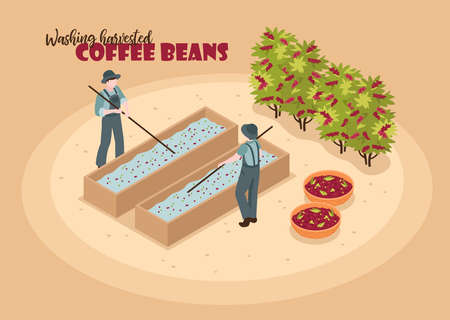
As a mum who loves her morning cup of coffee, I’ve noticed that the plant-based movement has truly reshaped the way specialty coffee shops across the UK approach their craft. It’s not just about swapping cow’s milk for oat or almond; it goes much deeper, right down to how the beans are sourced and roasted. More cafés are now committed to ethical sourcing, ensuring that their beans come from farms where workers are treated fairly and the environment is respected. This mindful approach means choosing suppliers who support sustainable farming, often with direct trade relationships that benefit smallholder farmers. When it comes to roasting, there’s a newfound appreciation for lighter roasts that let the natural flavours shine—perfect for pairing with plant-based milks that don’t mask those subtle tasting notes. Coffee shops are also increasingly scrutinising every ingredient they use, favouring vegan-friendly syrups and cruelty-free chocolate for those delicious mochas we all love. It warms my heart to see this shift—knowing that our daily brew can be both delicious and kind to the planet. Whether you’re popping into your local café in London or a cosy spot in Manchester, you’ll likely find baristas who are just as passionate about sustainability and animal welfare as they are about crafting your perfect flat white.
4. Plant-based Milks: More Than Just a Trend
As a mum who loves both her morning flat white and keeping my family healthy, I’ve noticed that plant-based milks have truly become a staple in the UK’s specialty coffee scene. While some may think these alternatives are just a fleeting trend, their growing popularity tells a different story—especially as more people embrace veganism or seek lactose-free options. Let’s take a closer look at how oat, almond, and other plant-based milks are shaping the way we enjoy our favourite brews.
The British Favourites: Oat vs Almond
In Britain, oat milk has quickly risen to the top of the list for coffee lovers, often praised for its creamy texture and neutral taste that doesn’t overpower the espresso. Almond milk, on the other hand, brings a subtle nutty flavour but can sometimes separate when steamed—something many baristas have learned to expertly manage. Here’s a handy comparison:
| Plant-Based Milk | Flavour Profile | Texture When Steamed | Best Coffee Pairing |
|---|---|---|---|
| Oat Milk | Creamy, mild, slightly sweet | Thick, smooth microfoam | Flat White, Latte |
| Almond Milk | Nutty, light sweetness | Lighter foam, may separate if overheated | Cappuccino, Mocha |
| Soya Milk | Bean-like, neutral base | Good froth, sometimes curdles with acidic espresso | Coffee with strong espresso notes |
| Coconut Milk | Slight coconut aroma and sweetness | Light body, less foam stability | Iced Coffee, Flavoured Lattes |
The Impact on Flavour & Texture in British Coffee Culture
The switch to plant-based milks isn’t just about dietary needs—it also brings new dimensions to coffee flavours. Oat milk is often chosen for its ability to enhance the natural sweetness of high-quality beans without masking delicate tasting notes. Almond milk adds a gentle nuttiness that pairs beautifully with chocolatey blends. As UK cafés become more mindful of both sustainability and customer preferences, baristas are now trained to work with these milks to create velvety microfoam and latte art—something I always appreciate when I’m catching up with friends at my local coffee shop.
Blending New Traditions with Old Rituals
Embracing plant-based milks allows us to honour our beloved British coffee rituals while making them more inclusive and environmentally friendly. It’s heartwarming to see my children enjoy their first babyccino with oat milk or watch grandparents try an almond milk cappuccino out of curiosity. The move towards plant-based options isn’t just about what’s in your cup—it’s about sharing moments together and welcoming everyone into the ever-evolving world of UK specialty coffee.
5. Community, Inclusivity, and the British Coffee Scene
As a mum who loves sharing a cosy cup of coffee with friends, I’ve seen firsthand how mindful, vegan-friendly choices are weaving new threads into the fabric of UK coffee culture. Across bustling London boroughs to quaint Yorkshire villages, specialty coffee shops are becoming more than just places to grab a flat white—they’re evolving into welcoming hubs where everyone feels they belong.
Creating Welcoming Spaces for All
By offering plant-based milk options and delicious vegan bakes, British cafés show that they care about more than just great taste—they’re sending a warm invitation to people of all backgrounds and dietary needs. Whether you’re lactose-intolerant, committed to animal welfare, or simply curious about trying something new, these mindful menus make it easy for everyone to join in. It’s heartening to see groups of friends with different lifestyles gathering together, each finding something on the menu that suits their values.
Diversity Brewing at Every Table
The beauty of the UK’s specialty coffee scene lies in its diversity—not just in beans and brews but also in people. Veganism is helping cafés become melting pots where conversations about sustainability, health, and compassion naturally blend with laughter and shared moments. These inclusive spaces foster genuine connections between mums like me, students, professionals, and even little ones who tag along for a babyccino.
Coffee as a Catalyst for Change
Mindful brewing isn’t just about what’s in your cup; it’s about nurturing community spirit too. By choosing vegan-friendly offerings, British coffee shops are paving the way for a more compassionate society—one oat latte at a time. And honestly, as someone raising children in this vibrant country, I’m grateful for places that teach kindness through every sip and smile.
6. Challenges and Opportunities Ahead
As veganism becomes more deeply rooted in the specialty coffee scene across the UK, we find ourselves facing a blend of both unique challenges and heartening opportunities. From a mum’s perspective, it’s a bit like teaching your kids to try new veggies—sometimes there are wrinkled noses, but oh, the joy when they discover a new favourite! For cafés and roasteries, one significant hurdle is sourcing high-quality plant-based milks that not only steam well but also complement the nuanced flavours of specialty beans. Not all oat or almond milks are created equal, and finding the right supplier can involve a fair amount of trial and error.
The Learning Curve for Baristas
Baristas are at the forefront of this change, and while many embrace vegan alternatives with open arms, mastering the perfect vegan flat white takes time. There’s a need for ongoing training—understanding which plant milks work best with certain origins, or how temperature affects texture and taste. This learning journey opens doors for collaboration between baristas, producers, and milk alternative brands, sparking innovation that benefits everyone involved.
Consumer Expectations & Education
Another challenge is bridging the gap between what customers expect and what’s possible with current vegan options. Some guests may be new to veganism or simply curious, so there’s a beautiful opportunity here for cafés to educate and inspire. A warm conversation about why their cappuccino tastes different today—perhaps creamier with oat milk or nuttier with macadamia—can turn a simple coffee order into a meaningful experience.
Opportunities for Growth
The shift towards veganism is also creating exciting possibilities. Local British companies are developing innovative milk alternatives made from peas, hemp, or even potatoes (yes, really!), supporting UK farmers and reducing food miles. There’s growing demand for plant-based pastries and cakes to accompany that ethically sourced flat white. As awareness spreads, the specialty coffee community has a chance to lead by example—championing sustainability, animal welfare, and inclusivity in every cup.
Looking ahead, the UK’s specialty coffee scene is perfectly poised to nurture this mindful movement. With creativity, kindness, and a little British resourcefulness, there’s every reason to believe that veganism will continue to enrich our café culture—one thoughtfully brewed cup at a time.