
The British Coffee Scene: From Instant to Artisan
Once upon a time, the British answer to an afternoon pick-me-up was a mug of instant coffee—quick, convenient, and endlessly spooned out between rain showers and tube journeys. Fast forward to today, and the urban landscape is alive with the aroma of freshly ground beans and the gentle hum of burr grinders in independent cafés from Shoreditch to Glasgow’s West End. Coffee, once a mere caffeine fix, now shares space with ale and fish-and-chips as a genuine part of our city’s rhythm. The evolution is striking: supermarket shelves crowded with single-origin beans, flat whites appearing on every menu, and brewing gadgets as coveted as the latest trainers. This shift isn’t just about taste—it’s about ritual, community, and craft. As we embrace this new era of artisan coffee, many UK coffee lovers find themselves at a crossroads: is it worth investing in equipment like a burr grinder, or should we stick with what we know? In exploring this question, we dig into how our changing coffee culture sets the stage for smarter—and tastier—choices at home.
2. Manual vs. Burr Grinders: Understanding the Difference
For UK coffee lovers, the morning ritual often begins with the aromatic promise of a fresh brew. But before you can savour that first sip, there’s a crucial choice to make: which grinder sits on your kitchen counter? The British high street offers a dizzying array of options, but most fall into two camps—manual grinders and burr grinders. Let’s unpick what sets them apart, and why it matters for your daily cuppa.
A Primer on Coffee Grinder Types
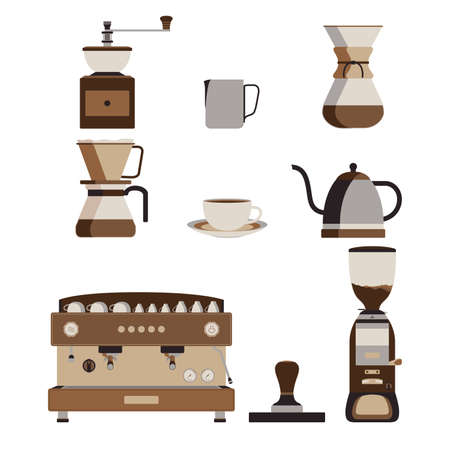
The UK market typically features three main types: blade grinders, manual (hand) grinders, and burr grinders (both electric and manual). For clarity, let’s focus on the latter two—the debate between convenience and craft, consistency and cost.
| Feature | Manual Grinder | Burr Grinder (Electric) |
|---|---|---|
| Grinding Mechanism | Ceramic or steel burrs, hand-cranked | Steel or ceramic burrs, motor-powered |
| Consistency of Grind | Good, but requires practice | Excellent; uniform grind size |
| Speed & Effort | Slow; physically demanding for larger batches | Fast; effortless with a press of a button |
| Portability | Highly portable—ideal for travel or camping | Larger footprint; best left at home |
| Noise Level | Quiet—won’t wake the whole flat! | Noisy—best used after everyone’s up |
| Price Point (UK average) | £20–£50 | £80–£300+ |
| Main Drawbacks | Time-consuming for daily use; arm workout included! | Higher upfront cost; takes up worktop space |
The Consequences for Your Morning Brew
If you’re brewing for one and appreciate a moment of quiet ritual—a manual grinder might be your perfect companion. It invites you to slow down and savour the process, a nod to slow living that resonates with many in Britain’s bustling cities. Yet, if consistency and convenience are your priorities—especially when making coffee for more than just yourself—a quality burr grinder is unrivalled in delivering café-level results at home. In the end, your choice shapes not only the flavour in your mug but also the rhythm of your mornings. The investment isn’t just financial—it’s about crafting your own little corner of coffee culture in the heart of the UK.
3. Burr Grinders: The Taste Test
If you’ve ever wandered into a cosy café on a damp Manchester morning or sought refuge from London’s drizzle with a steaming flat white, you’ll know that not all cups of coffee are created equal. The secret? Often, it lies in the grind. Burr grinders, those whirring icons of coffee geekery, promise a uniform grind that blade grinders simply can’t match. But does this translate to a noticeably better brew when you’re tucked up by the window, watching the city’s grey skies blur with rain? In the spirit of honest British scrutiny, let’s explore the flavour profiles at play.
Burr grinders work by crushing beans between two abrasive surfaces, allowing for a consistent grind size—a crucial factor in extraction. What this means for your cup is clarity: notes of dark chocolate in your Brazilian single origin, a hint of citrus from an Ethiopian roast, all singing out rather than muddling together. In the UK, where our weather often calls for something comforting yet nuanced, that clarity can make all the difference to your morning ritual.
But is the jump in taste worth the investment? For many UK coffee lovers, the answer hinges on those small moments: the ritual of brewing before a rainy commute, the solace of a perfectly balanced cup on a lazy Saturday. Burr grinders bring out the subtle complexities of speciality beans, turning an everyday cuppa into something memorable—something that feels a little like a luxury, even if you’re just sheltering from a downpour under your own roof.
4. Upfront Investment: Pounds and Pence
If you’re eyeing a burr grinder from your local kitchen shop or scrolling through Amazon UK, the sticker shock can be very real. But before you clutch your wallet in horror, let’s break down what’s really at stake for the British coffee enthusiast. After all, investing in good kit is a bit like choosing a sturdy umbrella for our unpredictable weather—spend wisely and it’ll serve you well through many a drizzle.
What’s the Going Rate?
Burr grinders come in a dizzying range of prices, but quality always commands its own fee. For a reliable entry-level electric burr grinder in the UK, expect to pay between £60–£120. Manual versions are lighter on your purse strings, starting around £30 for basic models, but premium hand grinders can nudge up to £100+. If you fancy something more professional—think café-grade gear—the price can easily soar past £200.
| Type | Price Range (£) | Typical Use |
|---|---|---|
| Manual Burr Grinder | 30–100 | Home, travel |
| Electric Burr Grinder (Entry-Level) | 60–120 | Home |
| Electric Burr Grinder (Premium) | 150–350+ | Coffee aficionados, small cafés |
The Hidden Extras: Beyond the Till Receipt
A savvy Brit knows there’s more to an investment than just the initial outlay. Here are a few extras that might not be on the price tag:
- Maintenance: Most decent grinders require regular cleaning—a brush set costs about £5–£15, but neglect can lead to premature wear or lacklustre brews.
- Longevity: A good burr grinder can last 5–10 years if cared for properly, while cheaper blade grinders often need replacing within a couple of years.
- Energy Use: Electric burr grinders aren’t energy hogs; most consume around 100–200W per use, which equates to mere pennies per month for daily drinkers.
Pounds and Sense: Is It Worth It?
If you’re serious about getting that perfect cup at home—one that rivals your favourite independent on Shoreditch High Street or tucked away in Edinburgh’s Old Town—the upfront cost of a burr grinder soon pays dividends. Not only do you gain consistency and flavour clarity, but you also dodge the grind-at-the-supermarket queue and the disappointment of stale grounds. Think of it as an investment in daily happiness—one measured not just in pounds spent, but in the rich aroma wafting through your kitchen each morning.
5. Coffee Rituals vs. Convenience: Lifestyle Considerations
There’s an undeniable romance to the morning coffee ritual—a sacred few moments when the world pauses and the scent of freshly ground beans fills a quiet kitchen. For many in the UK, though, this dreamy interlude collides head-on with the daily scramble: keys lost, buses to catch, meetings looming on the horizon. So where does the burr grinder fit in? Is it an indulgence for Sunday mornings, or can it become part of the weekday routine for the average British commuter?
In cities like London, Manchester or Edinburgh, life often moves at a brisk clip. The allure of a quick press of a button—instant coffee or pre-ground beans—can seem irresistible when you’re dashing out in the drizzle, Oyster card in hand. Yet, for those willing to carve out a few extra minutes, grinding fresh beans can transform even a dreary Monday into something altogether more poetic. It’s not just about flavour; it’s about reclaiming a moment of calm before the chaos.
Of course, practicality matters too. A burr grinder takes up precious counter space—no small consideration in a typical British flat where every inch counts. There’s also the low hum as you grind, which might not endear you to flatmates or partners still tucked up under their duvets. But for many, these are minor trade-offs for the satisfaction of crafting the perfect brew at home, perhaps saving a trip to Pret or Costa along the way.
Ultimately, it comes down to what you value most: the convenience of speed, or the mindful pleasure of ritual. If your mornings are a mad dash and coffee is simply fuel, a burr grinder might gather dust beside the bread bin. But if you relish small acts of self-care—even amid commuter chaos—investing in one could be your ticket to elevating everyday life, right here in Blighty.
6. The Bottom Line: Is It Worth It for UK Coffee Lovers?
So, after all the beans have been ground and the kettles boiled, where does that leave us in the great British burr grinder debate? The answer, as with many things in life – from choosing a pub to picking out a raincoat – comes down to your personal rituals and what you truly value in your daily cup. If you’re the sort who relishes the ceremony of coffee making, perhaps even treating it as a mindful pause before diving into another drizzly London commute or a chilled-out Sunday morning in Manchester, investing in a burr grinder could be your ticket to elevating this ritual. The consistency and control over grind size will let you tease out nuanced flavours from those single-origin beans sourced from your local roastery or favourite high street haunt.
However, if you’re more about quick convenience – maybe grabbing a cuppa on the go between meetings or brewing up before heading out for a rainy walk along the Thames – sticking with pre-ground or a trusty blade grinder might still fit your pace (and budget) just fine. After all, not every Brit wants to turn their kitchen into an artisanal coffee lab.
For those somewhere in between – think flatmates sharing a house in Bristol or families who love a weekend brunch at home – it could be worth pooling together for a mid-range burr grinder. This way, everyone gets to enjoy better-tasting coffee without one person shouldering the full investment. And let’s not forget: UK kitchens tend to be compact, so look out for models that don’t commandeer too much counter space.
Ultimately, whether you take your coffee black, white, sweetened or strong enough to wake up half of Edinburgh, investing in a burr grinder is less about following trends and more about embracing small pleasures that suit your lifestyle. Give it some thought next time you’re sipping on your morning brew – and remember, the best cup is always the one enjoyed most.