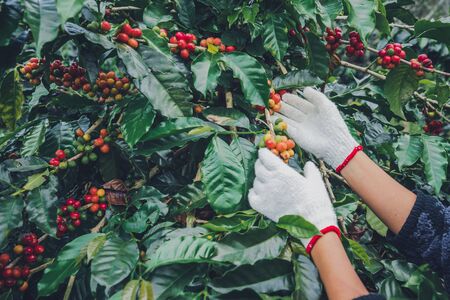
1. Introduction: Sipping the Landscape
If you’re anything like me, there’s nothing quite as comforting as wrapping your hands around a freshly brewed cup of coffee, especially on a crisp British morning. But have you ever paused for a moment and wondered about the journey that each aromatic sip has taken before reaching your favourite mug? For us coffee lovers here in the UK, it’s not just about waking up – it’s about savouring an experience steeped in history, culture, and geography. Every cup tells a story, quietly whispering secrets of the rich soil where its beans were nurtured and the unique climate that shaped their character. From the misty highlands of Ethiopia to the volcanic slopes of Central America, each region imparts its own distinct signature, making every brew a poetic reflection of its homeland. As we explore the world of coffee together, let’s embark on a delightful journey to discover how soil and climate – known collectively as “terroir” – weave their magic into every drop, giving us endless varieties to savour, cherish, and share with loved ones over cosy kitchen tables.
2. The Essence of Terroir: More Than Just a Buzzword
Let’s take a moment, with a warm mug in hand, to demystify the word ‘terroir’. Often heard among coffee aficionados, ‘terroir’ simply means the unique fingerprint that soil, climate, and landscape impress upon every coffee bean. For us here in the UK, this concept isn’t as foreign as it sounds—think about our cherished British wines and teas. Just as an English sparkling wine from Kent tastes quite different from one grown in Cornwall, or how Yorkshire tea has its own distinct character compared to a Cornish blend, coffee too carries the stamp of its birthplace.
Understanding Terroir in Coffee
In France, the term ‘terroir’ is most often associated with wine. However, for coffee lovers, it signals something equally magical—a sense of place you can truly taste. Each cup tells the story of its origin: the altitude at which beans were grown, the minerals in the soil, and even the weather patterns during harvest season. When you sip a single-origin brew, you’re not just tasting coffee; you’re experiencing a region’s personality.
Parallels with British Wine and Tea Culture
Here’s a handy table drawing connections between terroir in coffee and our beloved British beverages:
| Beverage | Region Example | Impact of Terroir |
|---|---|---|
| Coffee | Ethiopian Yirgacheffe | Floral notes from high elevation and rich volcanic soil |
| Wine | Kent Sparkling Wine | Crisp acidity influenced by chalky soils and cool climate |
| Tea | Yorkshire Blend | Robust flavour shaped by local water hardness and blend composition |
A Local Mums Perspective
If you’ve ever noticed how your cuppa tastes better with your home water or how that bottle of English fizz has a fresh tang after a rainy summer, you’ve already tasted terroir at play! Coffee’s complexity comes from the same source—nature’s subtle gifts passed down into every sip.

3. Soil Types and Their Subtle Magic
Let’s take a moment to reflect on the enchanting role soil plays in creating coffee’s complex flavours, much like how the English countryside blesses our gardens with distinctive fruits and vegetables. Just as we can taste the difference between a homegrown tomato from rich Kentish earth and one from stony Yorkshire plots, coffee beans carry the essence of their birthplace’s soil straight into your cup. Volcanic soils, for example, are famous for producing beans bursting with bright acidity and lively fruit notes—think of them as the coffee world’s equivalent of a zesty rhubarb crumble from an allotment nurtured by mineral-rich compost. In contrast, beans grown in deep, loamy basins tend to develop a comforting roundness and chocolatey sweetness, reminiscent of the earthy carrots and hearty potatoes we cherish from our own back gardens. Whether it’s the iron-rich red soils of Africa or lush, organic matter found in Central American highlands, each type bestows its own subtle magic. For us mums who care about every detail in what we serve our families, it’s heart-warming to know that something as simple as soil can add such depth and character to our morning brew—making every sip just that bit more special.
4. Climate Matters: Weathering Flavour
If you’ve ever chatted with a fellow mum at the school gates about how unpredictable the British weather can be, you’ll appreciate just how much climate shapes our daily lives—and coffee’s story is no different! The interplay of temperature, rainfall, and altitude in coffee-growing regions weaves a tapestry of flavours as unique as each of our rainy-day adventures here in the UK.
Let’s break down how these factors come together:
Climate Factor |
How It Influences Coffee |
Relatable Example |
|---|---|---|
| Temperature | Cooler climates slow bean ripening, allowing sugars to develop and enhancing sweetness and acidity. | Like letting a stew simmer for hours, bringing out all the delicious complexity! |
| Rainfall | Consistent rainfall helps beans grow evenly, while too much or too little can make flavours muddled or sharp. | Reminds me of baking bread—get the moisture right and you have a perfect loaf; too dry or wet, and it’s not quite right. |
| Altitude | The higher the farm, the cooler it gets, usually resulting in beans with brighter acidity and more nuanced flavours. | A bit like walking up a hilly park—every step up gives you a fresh perspective! |
Coffee farmers are as weather-wise as any British gardener. Just as we keep an eye on the forecast before planning a picnic, they’re watching for temperature swings and rainfall patterns that might make one year’s harvest distinct from another. Some years deliver bright, fruity notes; others bring deeper, chocolatey tones—all thanks to Mother Nature’s touch. When you sip your morning brew, remember: behind every cup is a climate story as varied and special as our own beloved British seasons.
5. From Farm to Favourite Mug: A British Mum’s Perspective
As a busy British mum juggling school runs, work emails, and the never-ending laundry pile, I’ve come to cherish those precious moments when I can savour a warm mug of coffee. But over time, I’ve found that understanding the journey of my daily brew—from its origins in distant soil and climate right to my kitchen—has made these little coffee breaks even more special. Knowing about the unique terroir behind each cup isn’t just for connoisseurs; it’s something we all can appreciate, especially when life feels a bit hectic. When you pause to think that the rich, chocolatey notes or bright citrus zing in your favourite roast are shaped by volcanic soils in Ethiopia or cool mountain breezes in Colombia, your morning cuppa transforms from routine fuel into a small luxury. This connection to the earth adds an extra layer of warmth—something every parent craves during those early starts or quiet moments after bedtime. For me, brewing coffee with this knowledge becomes an act of self-care and a gentle reminder that joy can be found in simple rituals, right here at home in Britain. So next time you pour yourself a mug, take a moment to appreciate the journey it’s been on—it might just make your day feel a touch more magical.
6. Simple Tips to Taste Terroir at Home
As a mum who adores a good cup of coffee and finds joy in the little comforts of home, I know that exploring the world of coffee terroir doesn’t have to be complicated. In fact, you can discover the unique flavours imparted by soil and climate right at your kitchen table, much like savouring the difference between British strawberries grown in Kent versus those from Scotland – subtle, but ever so delightful.
Start with Freshly Roasted Beans
First things first, treat yourself to freshly roasted beans from single origins. Think of it as choosing a lovely loaf from your favourite local bakery – freshness truly makes a difference! Opt for coffees labelled with their country or even region of origin (like Ethiopia Yirgacheffe or Colombia Huila) to start picking up on those terroir-driven nuances.
Brew Simply and Mindfully
You don’t need fancy gadgets; a cafetière or pour-over will do beautifully. Just like making a perfect cuppa, pay attention to your water temperature and let the grounds steep for long enough. This gentle method really allows the flavours to shine through, much like brewing a proper pot of Yorkshire tea.
Compare and Contrast
Set up a little tasting session for yourself or with family – perhaps alongside a slice of Victoria sponge! Brew two different single-origin coffees side by side. Take small sips, noticing whether one is fruitier (maybe hints of summer berries) or another has nutty or chocolatey notes reminiscent of your favourite after-dinner treats.
Use Familiar Flavour References
Don’t worry if you can’t describe every note like an expert. Instead, relate what you taste to classic British flavours: maybe one coffee reminds you of toasted crumpets, another evokes memories of apple crumble on a rainy afternoon. These comparisons make identifying terroir both comforting and fun.
Savour Slowly and Share the Experience
The beauty of tasting terroir lies in slowing down and being present – much like enjoying Sunday roast with loved ones. Share your discoveries with friends over a chat or invite your children to join in (decaf for little ones!), turning coffee into an experience rather than just a daily pick-me-up.
By bringing mindfulness and a bit of heart into your coffee ritual, you’ll soon find that every cup tells its own story – shaped by distant soils, climates, and lovingly brewed right here at home. There’s no need for pretense; just trust your palate and enjoy each sip as you would any cherished British comfort.
7. Conclusion: Making Each Cup Count
As we reach the end of our journey into the fascinating world of coffee terroir, its worth pausing for a moment of cosy reflection. Here in the UK, theres something deeply comforting about wrapping your hands around a warm mug, especially when the rain patters softly against the window and the sky is a gentle shade of grey. It’s in these everyday rituals that we find not just warmth, but also a sense of connection—to ourselves, to others, and to far-off places where each coffee bean begins its story.
Understanding the role of soil and climate—the very heart of terroir—adds an extra layer of meaning to every brew. Just as British gardeners lovingly tend their allotments, nurturing plants through all sorts of weather, so too do coffee farmers across the globe pour care and patience into their land. Each cup becomes more than just a morning pick-me-up; it transforms into a celebration of natures artistry and human dedication.
When we savour those subtle notes—a hint of citrus here, a touch of chocolate there—we’re not just tasting flavours; we’re sharing in the lives and landscapes that shaped them. Its rather like enjoying a lovingly prepared cuppa made by someone special on a drizzly day: simple, heartfelt, and absolutely meaningful.
So next time you sit down with your morning coffee, perhaps take a moment to appreciate its unique journey. Let the taste transport you to misty highlands or sun-dappled plantations. After all, making each cup count isn’t just about flavour—it’s about weaving little moments of gratitude and wonder into our daily routines. And isn’t that what makes life in Britain, rain or shine, so wonderfully rich?